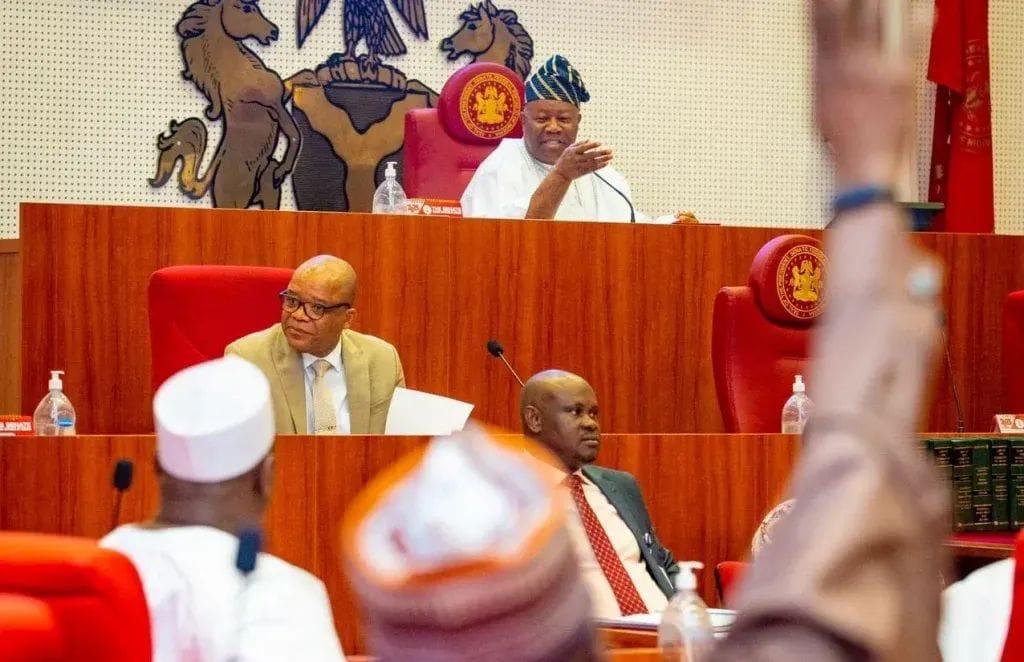
The Nigerian Senate is actively working on legislative measures designed to strengthen the regulatory framework governing financial technology operations in the country. This initiative focuses on granting the Central Bank of Nigeria (CBN) enhanced powers to oversee and supervise the rapidly expanding fintech sector. The move is seen as a critical step to ensure that innovation in digital finance is matched with robust consumer protection and systemic stability.
A key component of the Senate's deliberations involves mulling stricter measures specifically aimed at Ponzi schemes and other fraudulent investment platforms. These schemes have proliferated in recent years, often exploiting digital channels to target unsuspecting Nigerians with promises of unrealistic returns. The proposed tougher regulations seek to close legal loopholes and provide the CBN with clearer mandates to identify, investigate, and shut down such illicit operations.
The push for stronger CBN regulation of fintechs comes against a backdrop of significant growth in mobile money, digital lending, and payment solutions across Nigeria. While these services have increased financial inclusion, they have also introduced new risks related to data security, operational resilience, and potential money laundering. Legislators appear to recognize that the current regulatory environment may need updating to keep pace with technological advancements and evolving business models.
By contemplating stricter actions against Ponzi schemes, the Senate is responding to persistent public outcry over financial scams that have led to significant losses for many citizens. These schemes often masquerade as legitimate fintech or investment companies, eroding public trust in the broader digital finance ecosystem. A more stringent regulatory approach could involve higher penalties for operators, improved inter-agency collaboration for enforcement, and public awareness campaigns.
The legislative process, still in its early stages as indicated by the term 'mulls,' suggests that senators are gathering input and crafting specific provisions. This phase likely involves consultations with the CBN, fintech industry stakeholders, consumer advocacy groups, and financial crime enforcement agencies. The outcome will shape how Nigeria balances fostering fintech innovation with implementing necessary safeguards.
For the average Nigerian, the potential implications are substantial. Stronger CBN oversight could lead to more secure and reliable digital financial services, potentially boosting confidence and usage. Conversely, a crackdown on Ponzi schemes could protect vulnerable populations from devastating financial harm, though it also raises questions about financial literacy and the need for investor education alongside regulatory action.
The development sits at the intersection of technology, finance, and governance, highlighting the Nigerian government's ongoing efforts to modernize its economic oversight mechanisms. It reflects a global trend where lawmakers are grappling with how to regulate fast-moving digital sectors without stifling their growth. Nigeria's approach will be closely watched as a potential model for other African nations with vibrant fintech landscapes.
Ultimately, the Senate's work on this front underscores a commitment to safeguarding the integrity of Nigeria's financial system in the digital age. The success of any new measures will depend on precise legislative drafting, effective implementation by the CBN, and sustained enforcement to deter bad actors. This legislative focus marks a pivotal moment in shaping the future trajectory of Nigeria's fintech industry and its role in the national economy.