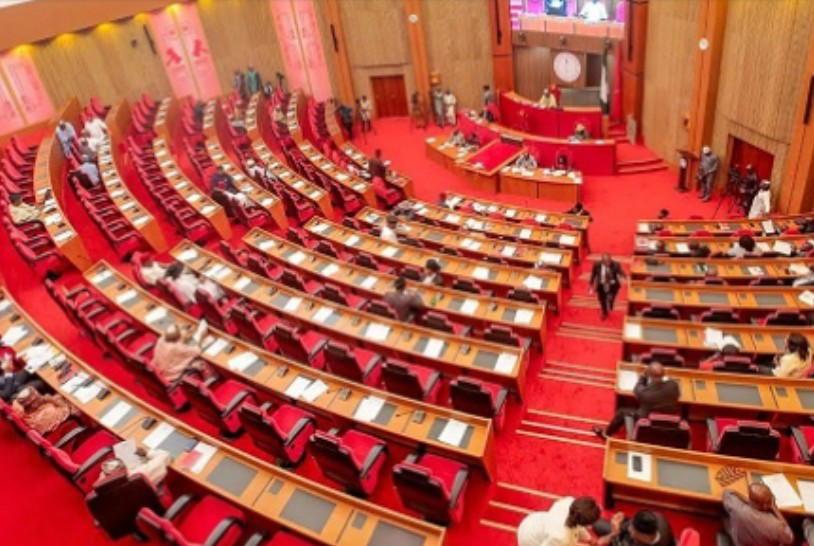
The Nigerian Senate has passed a resolution formally urging the federal government to establish a permanent military base in Kwande Local Government Area of Benue State. This legislative action marks a direct response to the escalating and persistent insecurity plaguing the region.
Kwande: A Critical Flashpoint
Kwande LGA, situated in the volatile North-Central zone, has been a recurring theatre of violent clashes. Conflicts often involving armed groups have resulted in significant casualties, widespread displacement of communities, and substantial destruction of property. The Senate's motion highlights the perceived inadequacy of temporary security deployments, arguing they have failed to deliver lasting stability for local residents and farmers.
A Strategic Shift in Security Policy
The call for a permanent installation represents a potential shift in the federal government's security strategy for the area. Unlike mobile patrols or ad-hoc operations, a fixed military base offers several tactical advantages: quicker response times to emerging threats, a consistent, ground-level presence for intelligence gathering, and a more robust deterrent against armed groups operating in the border regions. This move suggests lawmakers believe the scale of the threat now requires a more entrenched solution.
Political Pressure and Next Steps
The Senate's resolution places direct political pressure on the executive branch, specifically the Presidency and the Ministry of Defence. While the legislature cannot command military deployments, such a formal request carries considerable weight and reflects broad parliamentary concern. It signals that the security situation in Benue State is considered a national priority demanding a concrete, long-term response.
Historically, communities across Benue have repeatedly appealed for greater federal security intervention amid ongoing farmer-herder conflicts and banditry. The Senate's specific focus on Kwande indicates this area is currently viewed as particularly vulnerable or strategically significant. All eyes will now be on the executive branch to see if and how it responds to this legislative push for a permanent military footprint in Kwande.


