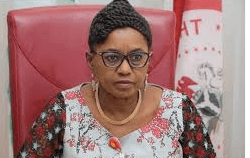
In a move that underscores shifting political loyalties ahead of the next presidential election, Senator Banigo has formally defected from the opposition Peoples Democratic Party (PDP) to the ruling All Progressives Congress (APC). The senator, in a statement on March 10, 2026, stated the primary reason for the switch was to support President Bola Tinubu's anticipated campaign for a second term.
A Direct Link to Presidential Politics
Banigo's declaration is notable for its unambiguous public rationale. Unlike many defections attributed to internal party strife or local constituency issues, this move is framed directly as a personal commitment to Tinubu's political future. This signals a clear calculation by the senator that aligning with the incumbent administration offers a more secure and advantageous political path forward.
The Context of Nigerian Political Realignments
This defection follows a familiar pattern in Nigeria's complex political landscape, where sitting legislators often seek shelter under the umbrella of the party controlling the federal executive, especially as major electoral cycles approach. The public justification, however, places the focus squarely on national presidential politics, potentially setting a tone for the 2027 campaign season.
Immediate Consequences in the Senate
The party switch will have procedural ramifications within the Nigerian Senate. Senator Banigo will now be seated with the APC caucus, altering the numerical strength of both the ruling party and the opposition PDP. This shift may trigger reviews and reallocations of committee assignments and leadership positions, which are often tied to party affiliation and strength.
A Symbolic Boost for Tinubu
For President Tinubu, the defection provides a tangible, if symbolic, boost to his political standing as he looks toward a potential re-election campaign. It can be portrayed by the APC as evidence of Tinubu's growing influence and the party's expanding appeal, representing an effort to consolidate support within the legislature ahead of what is expected to be a contentious election season.
For the Peoples Democratic Party, the loss of a sitting senator is an immediate setback that weakens its bench in the upper legislative chamber. The move highlights the challenges opposition parties face in retaining members when the allure of executive power beckons.