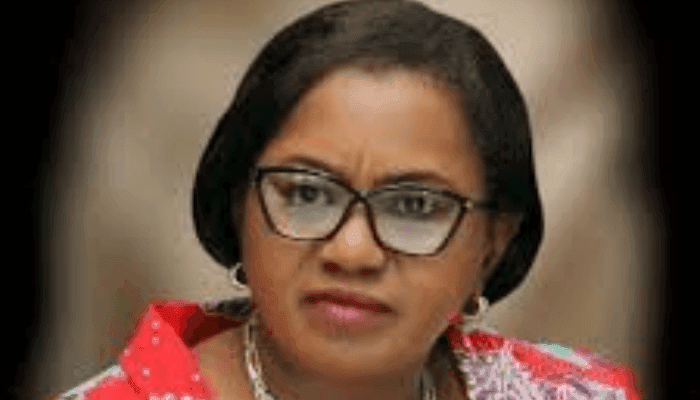
Senator Ipalibo Harry Banigo, the senator representing Rivers West Senatorial District, has formally defected from the Peoples Democratic Party (PDP) to the All Progressives Congress (APC). This move by a sitting lawmaker represents a direct transfer of political capital from Nigeria's main opposition bloc to the ruling party at the national level.
Immediate Impact on the Senate
The defection immediately reduces the PDP's representation in the Senate and boosts the APC's numbers in the upper legislative chamber. The APC, which holds the presidency and a majority in the National Assembly, gains an additional vote and a voice from the strategically important Rivers State.
Shifting Sands in a Stronghold
Banigo's departure is significant because it occurs in Rivers State, a region historically considered a PDP stronghold. The loss of a senator from this oil-rich state weakens the opposition's foothold there and could influence the local political calculus for future elections, where incumbency and party machinery are key factors.
Practical Consequences of the Switch
In practical terms, the senator's change of party means her future legislative actions—including bill sponsorship, voting patterns, and committee work—will now align with the APC's national agenda. Constituents in Rivers West may experience a shift in how their representative engages with federal projects and appointments, as access in Nigerian politics often flows through party channels.
A Recurring Political Trend
This defection fits a broader pattern in Nigerian politics, where individual lawmakers cross party lines, often ahead of election cycles or following internal party disputes. While a single defection may not immediately swing the overall balance of power in the 109-member Senate, it contributes to a gradual erosion or strengthening of party majorities. Each move represents a micro-transaction in the political marketplace, where allegiances can be fluid and have tangible effects on governance and representation.