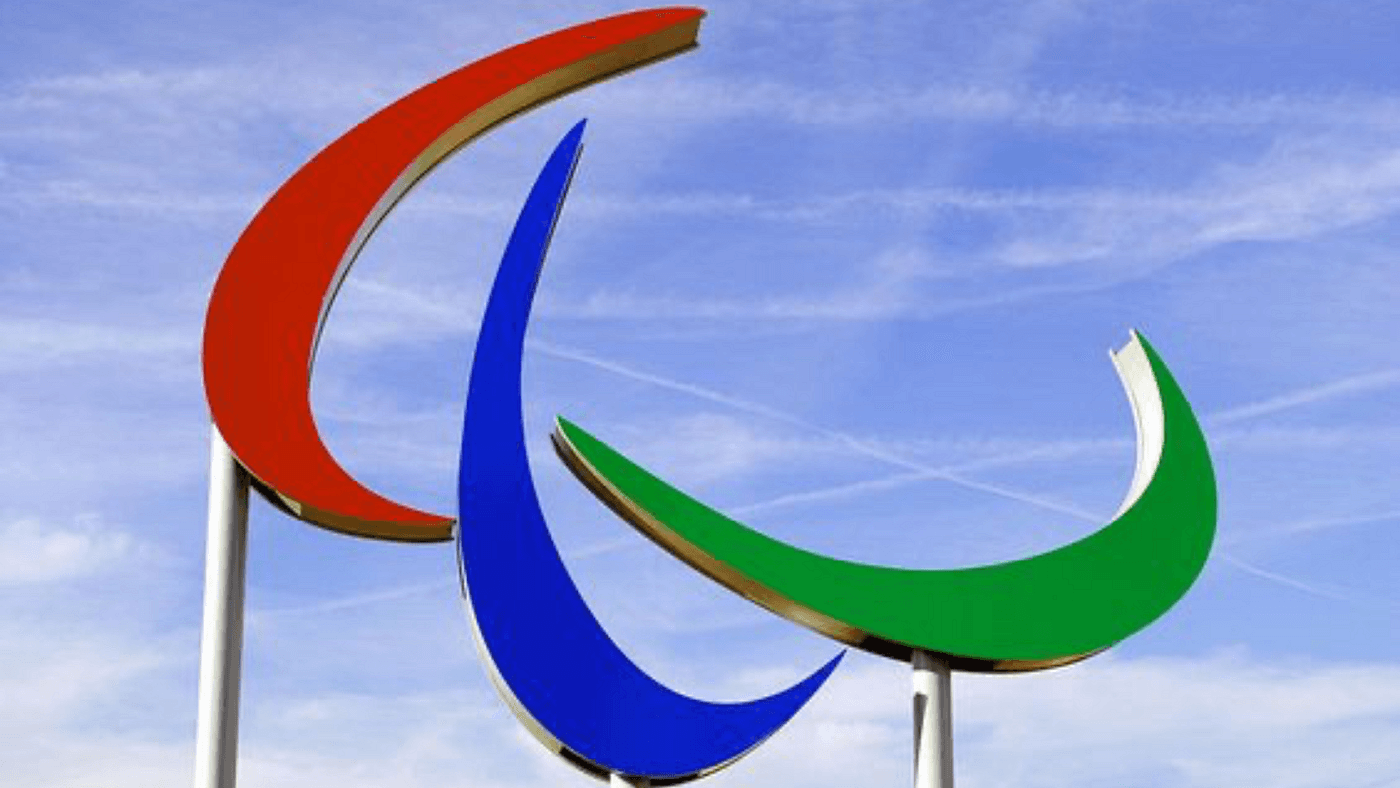
Organisers of the Milan-Cortina Paralympics confirmed on Thursday that seven countries will boycott the opening ceremony in protest at Russian athletes being allowed to compete under their own flag for the first time since 2014. This decision represents a significant political statement at a major international sporting event, underscoring how geopolitical conflicts continue to spill over into the world of sports. The boycott directly challenges the International Paralympic Committee's (IPC) recent ruling on athlete participation.
The International Paralympic Committee (IPC) said last month it would allow six Russians and four athletes from Belarus to take part in the Games under their national flags rather than as neutral competitors. This marks a notable shift in policy, as these athletes had previously been required to compete without national symbols following sanctions related to the war in Ukraine. The decision to reinstate their flags has proven deeply controversial, drawing immediate criticism from several nations directly affected by regional tensions.
Russia and Belarus were banned from the 2022 Paralympics following the invasion of Ukraine, although they were permitted to compete as neutral athletes in the Paris Summer Paralympics two years later. The progression from a full ban to neutral participation and now to competing under their national flags illustrates the evolving and complex nature of international sports diplomacy in times of conflict. Each step has been met with scrutiny and debate about the appropriate balance between athletic inclusion and political condemnation.
IPC communications officer Craig Spence addressed the media on this developing situation. Spence told a press conference in Cortina on Thursday, providing official confirmation of the planned boycott. His statements served to formally acknowledge the protest, moving the issue from speculation into a confirmed diplomatic incident at the Games. The press conference became the platform for clarifying the IPC's stance amid growing international pressure.
This boycott raises important questions about the role of sports in global politics. Should athletic events remain neutral grounds, or do they have a responsibility to reflect international diplomatic stances? As the Paralympics approach, the world will be watching how this protest unfolds and what it means for future international competitions.