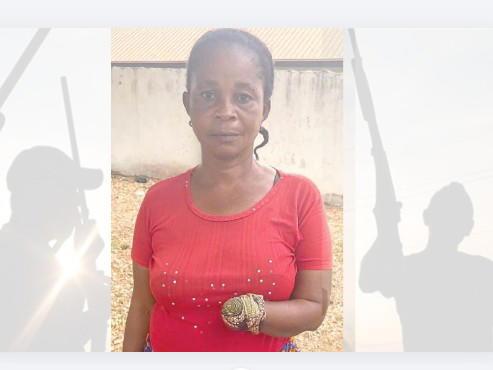
A mother in Nigeria's Benue State has endured a horrific and life-altering attack at the hands of armed bandits. According to verified reports, the woman, identified as Martina Atom, had her hand severed during the violent assault. This brutal act represents a shocking escalation in the tactics used by criminal groups operating in the region's rural communities.
A Pattern of Extreme Violence
The attack on Martina Atom is not an isolated incident but part of a wider pattern of violence targeting civilians in Benue. Bandit groups, often involved in kidnapping for ransom and cattle rustling, have increasingly turned to extreme physical violence to instill fear. The severing of a limb marks a particularly cruel form of punishment or intimidation, leaving victims with permanent disabilities and trauma.
Lifelong Consequences for Victims
For Martina Atom, the physical and psychological consequences are profound. Losing a hand severely impacts her ability to perform daily tasks, care for her family, and earn a livelihood. Her story brings into sharp focus the long-term human suffering that extends far beyond the immediate headlines of an attack, affecting family stability and community resilience for years to come.
A Region in Crisis
The state of Benue has been a flashpoint for farmer-herder conflicts and criminal banditry for several years. Despite security operations, these armed groups continue to operate with relative impunity in many areas. Local communities often feel abandoned, left to face well-armed criminals without adequate protection from state security forces.
Calls for Action and Support
Martina Atom's case underscores the urgent need for a more effective security response. It raises difficult questions about the government's capacity to protect vulnerable populations in remote areas. Beyond immediate military action, there is a growing call for strategies that address the root causes of banditry, including poverty, lack of opportunity, and weak governance.
The personal tragedy also highlights the critical gap in support services for victims of such violence. Survivors are often left without access to long-term medical care, psychological counseling, or rehabilitation programs, compounding their trauma.


