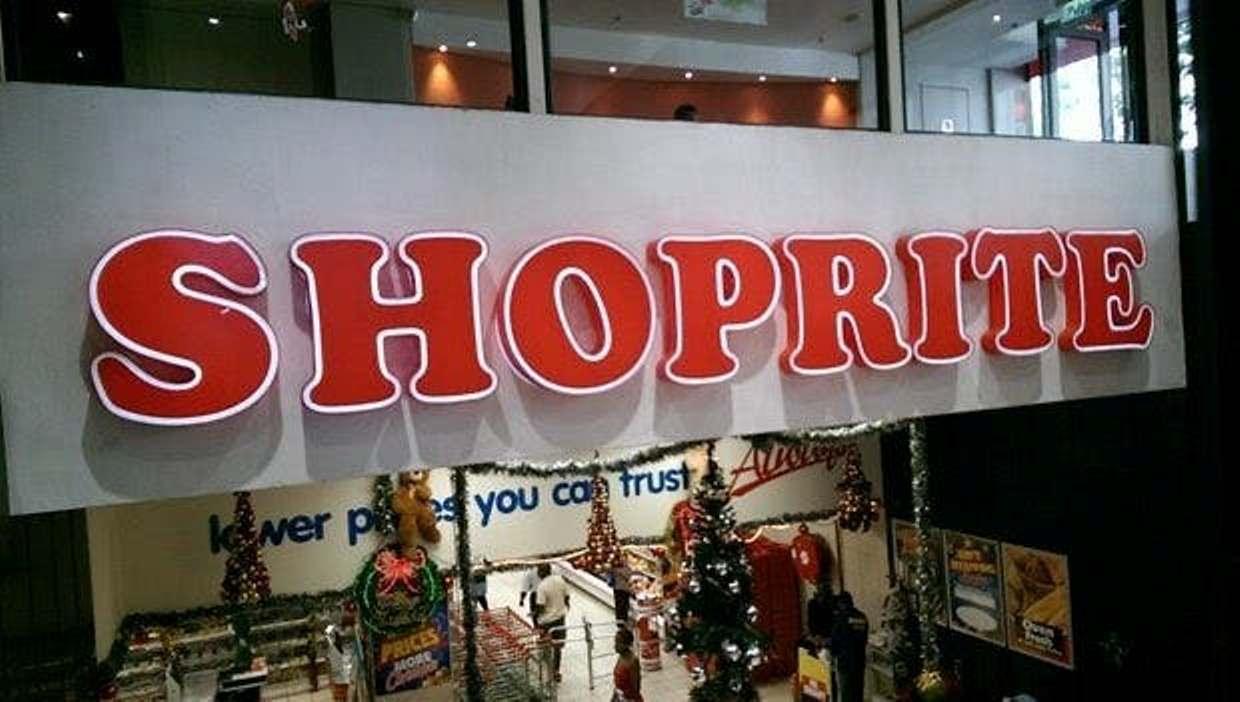
Shoprite has finalized its complete shutdown of operations in Nigeria, marking the end of a multi-year scaling back of its presence in the country. This move delivers a direct hit to the nation's formal shopping mall economy, which is valued at N2.5 trillion.
The Anchor Tenant Vacuum
For years, Shoprite served as the cornerstone of many modern retail developments. As an anchor tenant, the retail giant drew consistent customer traffic that benefited smaller adjoining stores. Its stores were typically the largest and most prominent units within shopping malls, driving essential footfall and rental income for entire complexes.
Understanding the N2.5 Trillion Valuation
The N2.5 trillion valuation of Nigeria's mall economy represents the aggregate worth of the formal, purpose-built shopping center sector. This figure encompasses property values, rental incomes, and the economic activity generated by thousands of tenants and their employees. Shoprite's exit directly erodes this valuation by removing a key revenue generator and diminishing the attractiveness of affected properties to other potential retailers and investors.
The Financial Domino Effect
Anchor tenants like Shoprite are critical to the financial viability of shopping malls because they sign long-term leases and pay substantial rents that underwrite property financing. Their presence justifies the rental rates charged to smaller inline stores. Without a reliable anchor, mall owners face severe difficulties in maintaining occupancy levels and may be forced to offer rent concessions, further depressing the sector's overall economic output.
Strategic Wind-Down and Lasting Impact
The shutdown process followed a strategic wind-down, with stores closing in phases across different cities and regions. This gradual retreat allowed the company to manage inventory and liabilities systematically. However, the vacancies created present a more persistent challenge for property owners who must now find replacement anchors in a challenging economic climate.
The departure signals a significant contraction in Nigeria's formal retail landscape and raises questions about the future viability of large-format retail spaces without international anchor tenants.