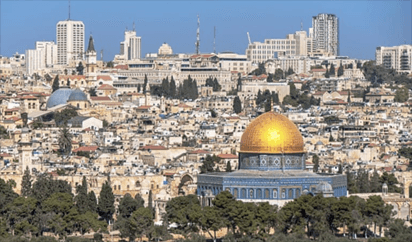
The wail of air raid sirens cut through the night air in Jerusalem, a sound that immediately sent residents scrambling for shelters and safe rooms. This was not a drill. Moments before, the Israel Defense Forces (IDF) had issued a stark public warning: missiles were inbound from Iran.
From Shadow War to Direct Confrontation
This direct warning of an Iranian missile attack represents a significant and dangerous escalation. For years, hostilities between Israel and Iran have played out through proxy forces and covert operations across the Middle East, particularly in Syria and via groups like Hezbollah in Lebanon. A direct missile launch from Iranian territory toward Jerusalem marks a deliberate shift toward open, state-to-state confrontation, raising immediate fears of a broader regional conflict.
The Weight of the Sirens
The sound of the sirens over Jerusalem, a city sacred to Judaism, Christianity, and Islam, carries profound symbolic weight. It underscores how deep-seated geopolitical rivalries can instantly transform ancient streets into a modern battlefield. For residents, the immediate focus was survival, following well-rehearsed procedures to find cover from potential aerial threats.
The Protocol Behind the Warning
Military analysts note that Israel's public warning system is activated only when intelligence indicates a credible and imminent threat. The decision to sound sirens across the capital suggests authorities assessed a high probability of projectiles reaching the city. This protocol is designed to provide civilians with critical minutes to seek protection—a sobering reality that arrived on an otherwise ordinary weeknight.
A Region on the Brink
The broader context is a region already on a knife's edge. Tensions between Israel and Iran have simmered for decades, fueled by Iran's nuclear ambitions and its consistent support for militant groups opposed to Israel. Previous escalations have largely been contained to third-party territory. A direct strike from Iranian soil crosses a red line that both sides have historically avoided, setting the stage for a potentially volatile new chapter in Middle Eastern conflict.