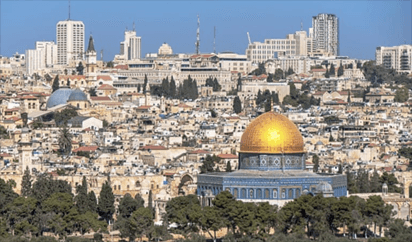
Air raid sirens just went off in Jerusalem. That's the sound you never want to hear, and it came right after Israel's military put out a public warning — they're saying missiles could be on the way from Iran. It's a direct and immediate escalation that's got everyone on edge. So what does this mean for a city that's seen its share of conflict? It means people are heading for shelters, and the region's long-running shadow war just got a lot more real.
Here's the thing: when the Israeli military makes a public warning like this, they're not just being cautious. They've got radar and intelligence systems that pick up launches from hundreds of miles away. A warning for Jerusalem specifically suggests they believe the trajectory of any incoming fire is aimed at the heart of the country. It's a protocol they've used before, but it doesn't happen often — and it's always serious.
Now, you've got to understand the context. Tensions between Israel and Iran have been simmering for years, but they've been boiling over recently. There've been strikes in Syria, attacks on shipping, and accusations flying back and forth. This alert, though, feels different. It's not a vague threat; it's a specific warning of an imminent attack on the capital. That's a line that hasn't been crossed in a very public way like this before.
Think about what happens next on the ground. When those sirens sound, there's a drill everyone knows: you've got maybe 90 seconds to get to a protected space. Schools, offices, and public transit all have procedures. For residents, it's a frightening interruption of daily life, a reminder that the geopolitical tensions they hear about on the news can land literally in their backyard. It's a moment of collective anxiety, followed by waiting to hear the 'all clear'.
Why should you care if you're not in Jerusalem? Because a direct missile attack from Iran on Israel's capital would be a massive escalation. It's not just another skirmish in a long conflict; it's a potential game-changer. The entire international community, from Washington to European capitals, will be watching closely, worried about a wider war. The stakes here aren't just regional; they're global.
There's also the question of response. If missiles are intercepted by Israel's Iron Dome or other defense systems, does that end it? Or does Israel feel compelled to launch a major counter-strike? The calculus is incredibly complex, balancing deterrence with the risk of spiraling into a full-blown conflict. One thing's for sure — military and political leaders are in crisis meetings right now, weighing every option.
Sound familiar? It's the kind of brinkmanship that's defined this rivalry, but playing with fire this close to the capital is new. The goal for both sides has often been to inflict damage without triggering an all-out war. A missile alert in Jerusalem tests that balance to its absolute limit. It's a dangerous signal that the old rules of engagement might be breaking down.
So what happens now? Everyone's eyes are on the skies and on official statements. The next few hours are critical. Will there be confirmed interceptions? Will Iran claim responsibility? The answers to those questions will determine whether this is a terrifying one-off or the start of something much, much bigger. Watch this space — the next update could change everything.