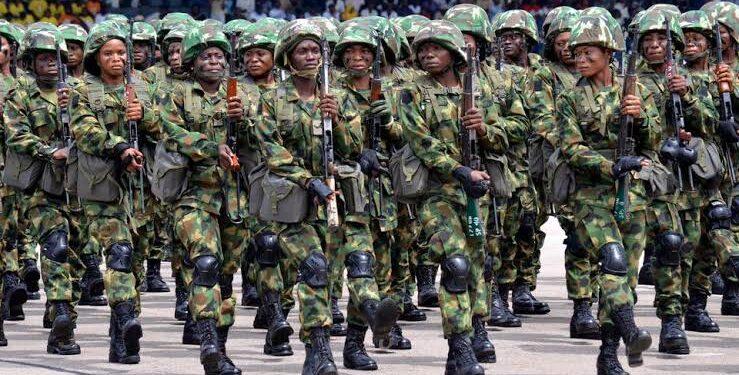
In the border villages of Sokoto, security isn't a policy debate—it's a daily calculation of distance and time. The gap between a community and the nearest army patrol can mean the difference between safety and devastating loss. This reality has prompted a forceful demand from Sokoto's Deputy Speaker in the State House of Assembly: the federal government must establish a full, permanent military base within these vulnerable border areas.
The Cry for a Permanent Presence
The Deputy Speaker's call moves beyond temporary fixes. He argues that only a sustained military presence—complete with barracks, checkpoints, and a constant operational footprint—can deter the bandits who currently treat the region as a 'soft target.' These armed groups exploit the unguarded border, launching raids and vanishing before reinforcements can arrive. For residents, the result is a cycle of loss: livestock, food stores, and sometimes loved ones taken, with responses that are perpetually too late.
Why a Base, Not Just Patrols?
Security analysts note that mobile patrols, while valuable, offer reactive security. A permanent base shifts the strategy to one of control and denial. It physically occupies the space, complicating the bandits' movements and making quick escapes far riskier. This isn't merely about adding soldiers; it's about establishing a tangible symbol of state authority and protection in areas where many feel abandoned.
The Human Cost of Inaction
Community elders have echoed this demand for years in local security meetings. The Deputy Speaker's public plea amplifies their longstanding frustration. The argument is stark: while establishing a new military installation requires significant investment, troops, and federal commitment, the human and economic cost of continued raids is incalculable. Farmers hesitate to plant, children's education is disrupted, and local commerce stagnates under the shadow of fear.
The Path Forward
The demand now sits with federal authorities, who must balance logistical and budgetary realities against an urgent need for security. The request underscores a broader national challenge: securing remote communities against persistent, cross-border threats. For Sokoto's border villages, the hope is that this call for a permanent shield will not, like so many before it, get lost on the long road to the capital.