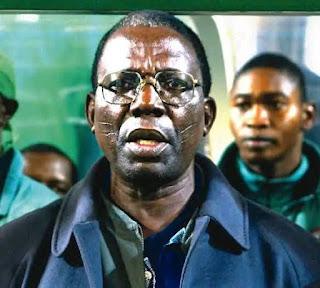
The news traveled through familiar channels first—the local viewing centers where matches were watched, the barber shops where football was debated, the streets where children play with makeshift balls. Former Super Eagles coach Adegboye Onigbinde had passed, and in communities across Nigeria, people paused to remember.
Official Recognition Meets Public Grief
Speaker of the House of Representatives Abbas has now formally mourned Onigbinde's death, providing official acknowledgment of what many Nigerians felt personally. This connection between government recognition and public sentiment matters in a country where sporting heroes often feel like extended family. Onigbinde's achievements, particularly leading Nigeria to the 1984 African Cup of Nations final, represented more than athletic success—they became moments of national unity.
More Than a Coach: A Teacher of the Game
In neighborhoods across Nigeria, Onigbinde's name is still invoked as the standard for proper football fundamentals. Older spectators watching children play on dusty fields frequently reference his teachings about discipline, structure, and technique. His legacy exists not just in record books but in the way the game is understood and played at grassroots levels—lessons passed from coaches to players, from fathers to sons.
The Unifying Power of Sporting Moments
Onigbinde's era with the Super Eagles coincided with a time when national team performances created shared experiences across economic and social divides. Market women, bus drivers, students, and traders all paused to follow tournament progress on radios and shared television sets. Those moments of collective hope and celebration forged connections that extended beyond sports, contributing to national identity.
A Legacy Beyond Statistics
While his coaching record includes significant achievements—taking Nigeria to its first Olympic football tournament in 1988 and serving as FIFA technical instructor—Onigbinde's true impact may be measured differently. It's found in the continued respect for fundamentals in Nigerian football development, in the stories shared by those who watched his teams play, and in the recognition that sports figures can shape national consciousness.
As Nigeria reflects on Onigbinde's passing, the formal condolences from government figures like Speaker Abbas validate what communities already knew: that some sporting legacies transcend the pitch and become woven into the fabric of national memory.