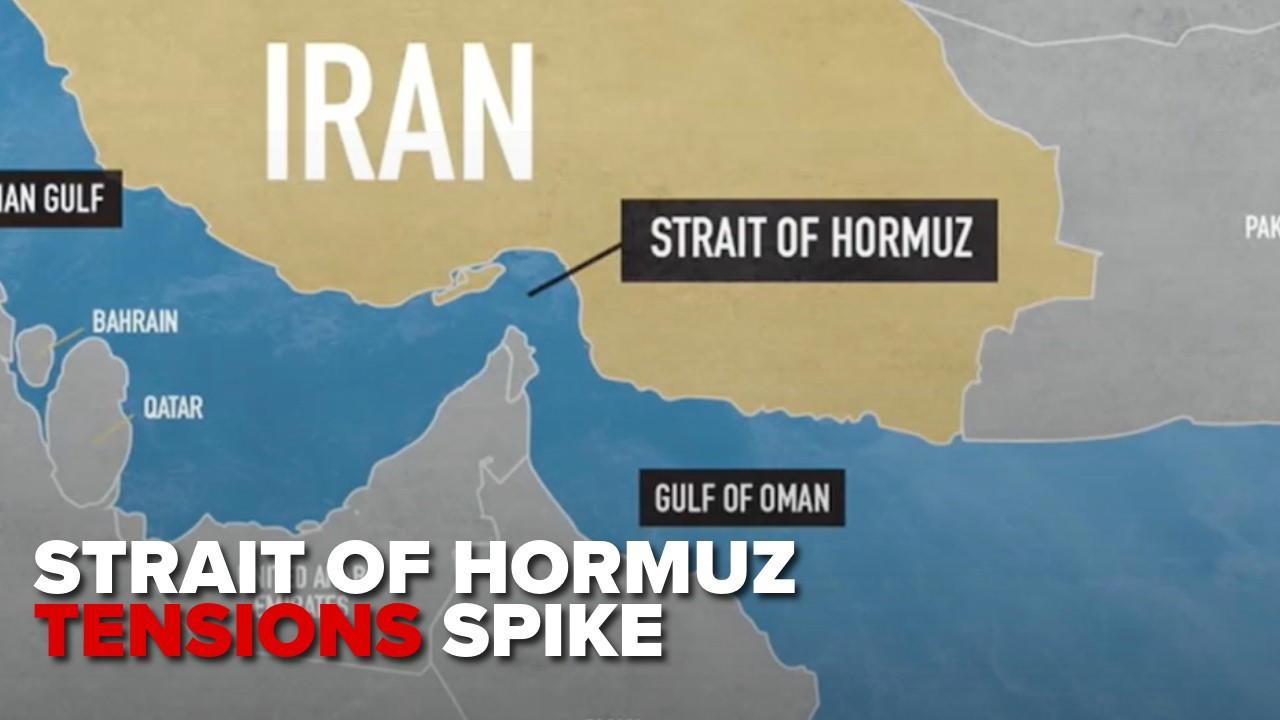
The specter of a blockade in the Strait of Hormuz presents not a localized security incident, but a systemic threat to global economic stability. This narrow maritime passage, a mere 21 miles wide at its narrowest point, functions as the indispensable artery for global seaborne oil trade, with about 20% of the world's total supply transiting through it daily. The fragility of this single point underscores a dangerous concentration of risk in the international energy supply chain.
The Nigerian Paradox: Producer Versus Importer
For Nigeria, Africa's largest oil producer and exporter, the threat creates a complex economic contradiction. On paper, soaring global crude prices triggered by a blockade would boost government oil revenues. However, due to chronic underinvestment in domestic refineries, Nigeria imports over 90% of its refined petroleum products, such as gasoline and diesel. A blockade would therefore cause the cost of these essential imports to spike simultaneously with potential shipping disruptions. The result would be severe domestic fuel shortages, crippling transportation, increasing costs for goods and services, and likely triggering significant social unrest. The economic pain for citizens would be immediate, while any fiscal benefit from higher crude export prices would be delayed and potentially offset by the need for costly emergency subsidies.
Importing Giants Under Pressure: India and China
Major importing economies face direct threats to their growth and stability. India, which sources a predominant share of its crude from the Middle East, would be forced into a costly scramble for alternative supplies. This would dramatically widen its trade deficit, place intense downward pressure on the Indian rupee, and fuel inflation across the economy. The government would face the difficult choice of increasing fuel subsidies—straining the budget—or passing costs to consumers, risking public discontent.
China, the world's largest crude importer, has pursued a strategy of source diversification. Yet, Middle Eastern oil remains crucial. A prolonged Strait of Hormuz disruption would be a stress test for China's Strategic Petroleum Reserve (SPR) and its ability to secure sufficient volumes via pipelines from Russia or longer maritime routes from Africa. The increased costs would ripple through its vast manufacturing sector, raising production costs globally and potentially slowing economic activity.
A Global Ripple Effect
The impact extends beyond these case studies. Japan and South Korea, almost entirely dependent on energy imports, would face similar inflationary and security crises. Even a major exporter like Saudi Arabia would suffer from the inability to ship its primary commodity, disrupting its fiscal planning. The interconnected nature of the global economy means a price shock in the oil market translates into higher costs for transportation, plastics, chemicals, and ultimately, consumer goods worldwide.
The potential blockade of the Strait of Hormuz is a stark reminder that in our interconnected world, a crisis at a single geographic chokepoint can unravel economic stability across continents, highlighting the urgent need for diversified energy strategies and resilient supply chains.