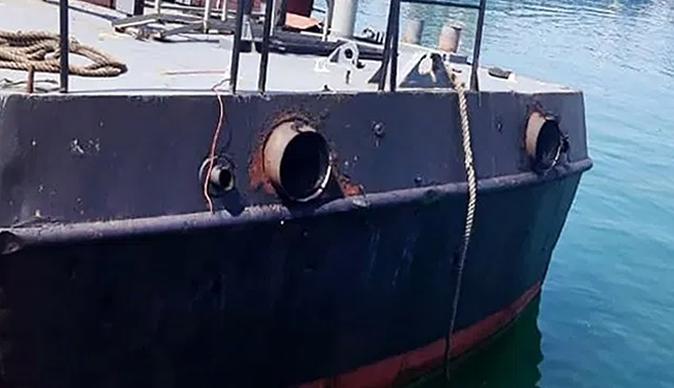
A severe maritime crisis erupted Tuesday in the Strait of Hormuz, a narrow waterway crucial to global energy supplies, after three commercial ships were reported ablaze. The incident represents a dangerous escalation in regional tensions and has prompted a direct threat from Iran to close the strategic strait.
The Attack and Immediate Aftermath
Reports confirm three vessels were on fire within the heavily trafficked Strait. Thick plumes of smoke were visible from the coast as regional naval forces scrambled to respond to distress signals. The nationalities of the ships and the nature of their cargoes have not been officially disclosed, adding to the uncertainty.
Iran's Geopolitical Threat
In the wake of the incident, Iranian military officials issued a stark warning to close the Strait of Hormuz. This threat is a significant ratcheting up of rhetoric from Tehran, which has long used control of this chokepoint as a key geopolitical lever. The strait is the transit route for approximately one-fifth of the world's seaborne oil. A closure would effectively blockade the Persian Gulf, severing the export routes for major producers like Saudi Arabia, the United Arab Emirates, Kuwait, and Iraq.
Global Market Turmoil
The news triggered immediate and severe volatility in global energy markets. Benchmark crude oil prices surged by more than 8% in early trading, reflecting trader panic over potential supply disruptions. This spike marks the most significant single-day jump since the onset of the Russia-Ukraine war, highlighting the market's acute sensitivity to threats against this specific corridor. Energy analysts warn that sustained instability could push prices to levels not seen in over a decade, potentially exacerbating ongoing global inflationary pressures.
The Shadow War and Unconfirmed Motives
While no group has officially claimed responsibility for the simultaneous attacks, the location and timing strongly point to the region's ongoing proxy and shadow conflicts. Maritime security firms have documented a pattern of similar incidents in recent years, often involving limpet mines or drone strikes typically attributed to Iranian-backed forces. The targeting of three vessels at once suggests a coordinated and brazen operation, intensifying fears of a broader regional confrontation.
The situation in the Strait of Hormuz remains fluid, with the potential to destabilize not only energy markets but also the fragile security architecture of the Middle East.