The rhythm of conversation in Enugu's iconic Ogbete Main Market has changed. Beyond the daily haggling over garri prices and the appraisal of new Ankara prints, a new topic dominates: the future of politics in the region. This shift is fueled by two converging forces: Governor Peter Mbah's public advocacy for 'strategic politics' and the organic growth of the grassroots 'City Boy Movement.'
Mbah's Call for a Strategic Reset
Governor Mbah's message is a direct appeal to move beyond cyclical political 'noise.' For the average trader or artisan, his concept of strategic politics translates to tangible outcomes: votes that translate into repaired roads like New Market Road, manageable electricity tariffs, and concrete job opportunities for graduates. It's a framework that asks citizens and leaders alike to focus on sustained development over electoral theatrics.
The Grassroots Answer: The City Boy Movement
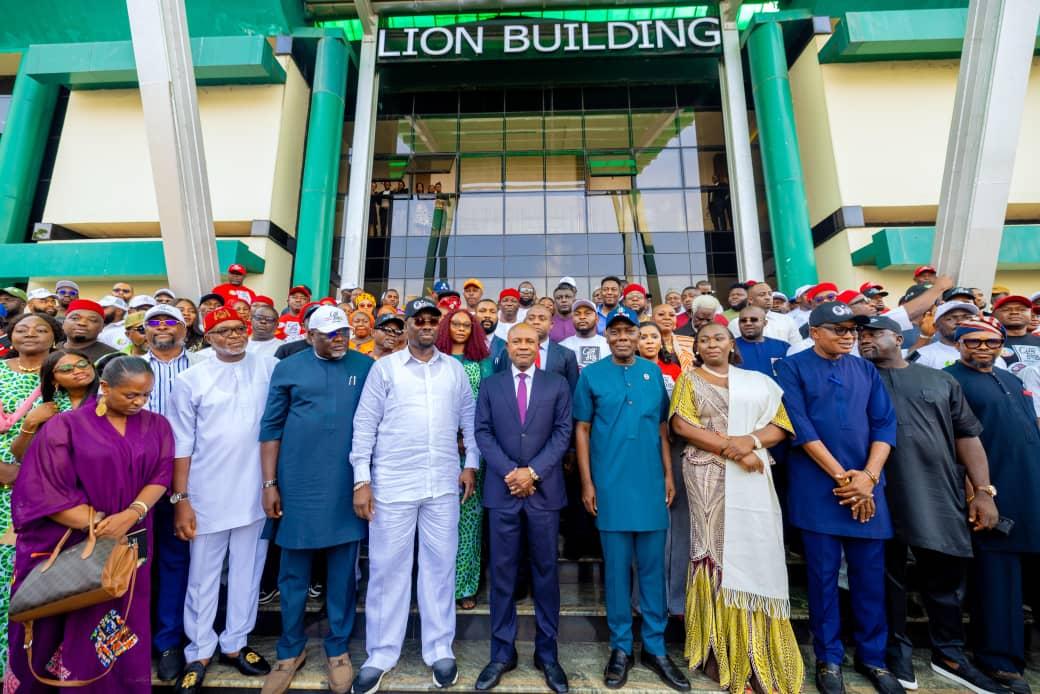
Simultaneously, a different kind of political energy is bubbling up from Enugu's streets. The City Boy Movement, identifiable by its colors seen on okada riders and discussed in bus parks, represents a demographic tired of top-down political mandates. Comprising young professionals, students, and skilled artisans, the movement is leveraging social media and local meet-ups to demand a seat at the decision-making table. Their core sentiment, as echoed in neighborhoods like Achara Layout, is a desire to shape a destiny that reflects their lived reality.
Convergence at the Community Level
The significance lies in the intersection. Mbah's top-down call for strategic, issue-based politics finds a potential partner in the Movement's bottom-up demand for inclusion and relevance. The test will be whether this convergence can address the 'small things'—the potholes, bills, and job shortages—that define daily life for most residents.
Looking Ahead
This is more than a story for one election cycle. It represents an evolving political consciousness in Enugu. The coming months will reveal if the established call for strategy and the emerging demand for representation can coalesce into a durable new model for governance and civic participation in the region.