A dramatic political realignment is unfolding in Nigeria's Southwest region, centered on one of its most controversial figures. Sunday Igboho, the Yoruba activist synonymous with agitation for self-determination, has publicly signaled support for President Bola Tinubu and the ruling All Progressives Congress (APC). This unexpected shift has sent shockwaves through political circles and sparked intense debate about its implications for the 2027 general elections.
The Symbolism of the Cap
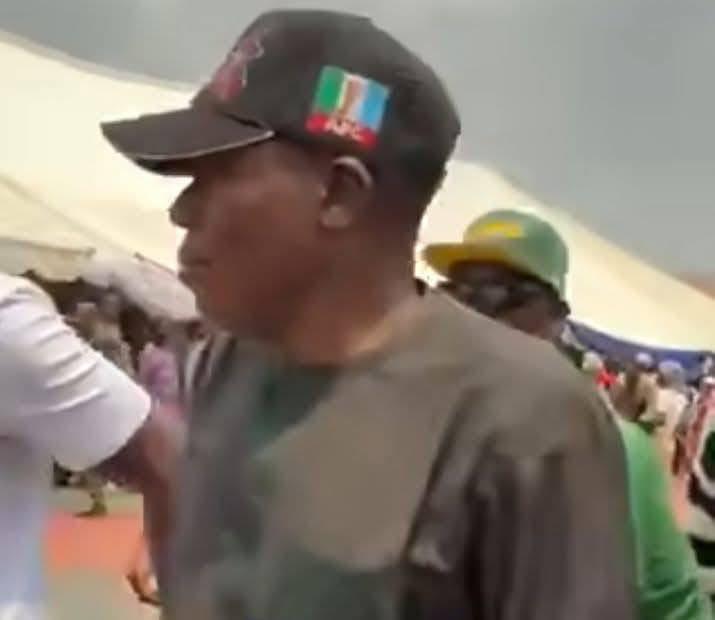
The visual catalyst for this controversy was simple yet powerful: a cap bearing the APC logo worn by Igboho during a public appearance. For a man whose image has been built on confrontation with the Nigerian state structure, this sartorial choice represents more than fashion—it's a political statement of monumental proportions. The cap symbolizes a potential bridge between separatist agitation and mainstream party politics.
From Agitation to Allegiance
Igboho's reported pledge of support for President Tinubu's anticipated re-election campaign marks a complete reversal of his previous political posture. Where he once challenged the very foundation of Nigeria's federal structure, he now appears to be endorsing its current leadership. This development suggests a significant recalibration of strategies within the complex Yoruba socio-political landscape, where Igboho commands substantial grassroots influence.
Divided Reactions and Political Fallout
The response to Igboho's new stance has been sharply polarized. Among his core supporters, there's palpable confusion and disappointment, with many expressing feelings of betrayal. Online forums and social media platforms are flooded with comments from those who view this move as an abandonment of the Yoruba self-determination cause.
Conversely, APC stalwarts and Tinubu administration supporters have welcomed the development as a masterstroke of political consolidation. They frame Igboho's endorsement as pragmatic recognition of effective leadership and a step toward national unity. This perspective highlights how previously antagonistic figures might be integrated into mainstream politics, potentially altering electoral mathematics in Nigeria's most politically sophisticated region.
The 2027 Implications
This development occurs against the backdrop of early preparations for the 2027 general elections. The Southwest has consistently been a crucial battleground that often determines presidential outcomes. Igboho's influence, particularly among disaffected youth and grassroots communities, could translate into significant voter mobilization for the APC if his support proves genuine and sustained.
However, questions remain about whether this represents a genuine change of conviction or a tactical political calculation. Some analysts suggest it might be part of broader negotiations, while others see it as evidence of the ruling party's successful outreach to previously marginalized voices.
Conclusion: A New Political Calculus
Sunday Igboho's apparent political transformation underscores the fluid nature of Nigerian politics. As the country moves toward another election cycle, such realignments will continue to shape the landscape. Whether this move strengthens national cohesion or creates new fractures within the Yoruba political bloc remains to be seen, but one thing is certain: the road to 2027 just became more interesting.