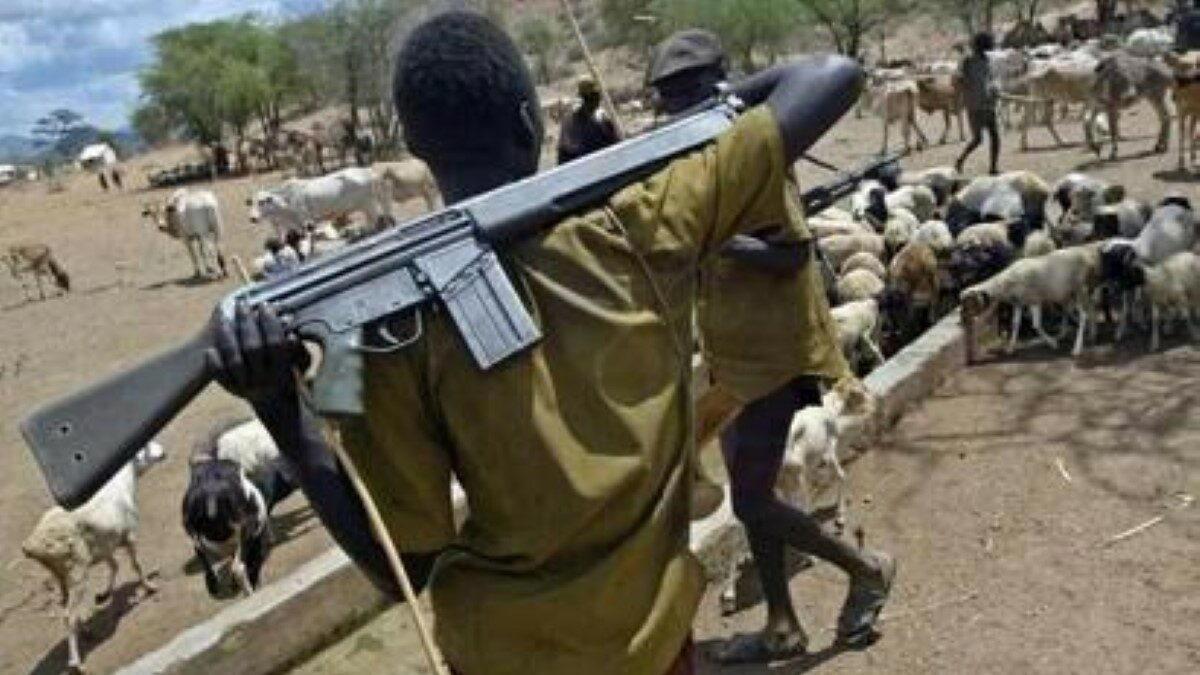
A community in Nigeria's Benue State was reeling on March 10 after a violent attack left at least 15 people dead and several others wounded. Authorities have identified the perpetrators as suspected herdsmen, marking another tragic episode in the region's long-running and lethal conflict.
The Flashpoint of Benue State
Benue State, situated in Nigeria's volatile Middle Belt, has been a persistent epicenter of clashes between settled farming communities and nomadic pastoralists. The conflict is fundamentally driven by competition for dwindling resources: fertile land, water, and grazing routes. In an attempt to manage the crisis, the Benue state government has enacted laws restricting open grazing—a policy that has, in turn, heightened tensions with pastoralist groups.
Aftermath and Response
The immediate aftermath of the attack saw local emergency services and security forces rushing to the scene. The injured were transported to nearby medical facilities, though initial reports remain unclear on the total casualty count and the severity of wounds. Community leaders now face the grim tasks of recovering the deceased and providing support for traumatized survivors and displaced families.
A Pattern of Violence
This latest incident fits a well-documented pattern of violence plaguing Nigeria's north-central region. Security analysts point to a confluence of exacerbating factors: climate change-induced desertification is pushing herders southward, population growth increases pressure on resources, and weak state enforcement fails to protect communities or implement lasting solutions. This failure has created a vicious cycle of attack and reprisal, displacing thousands and fostering a continuous humanitarian crisis.
The Path Forward
As of now, national and state authorities have yet to release a detailed statement on the March 10 incident. Historical responses have typically involved deploying security forces, a reactive measure that has done little to address the root causes of the conflict. Until comprehensive strategies that tackle resource management, climate adaptation, and effective justice are implemented, communities in Benue and across the Middle Belt remain tragically vulnerable to the next outbreak of violence.