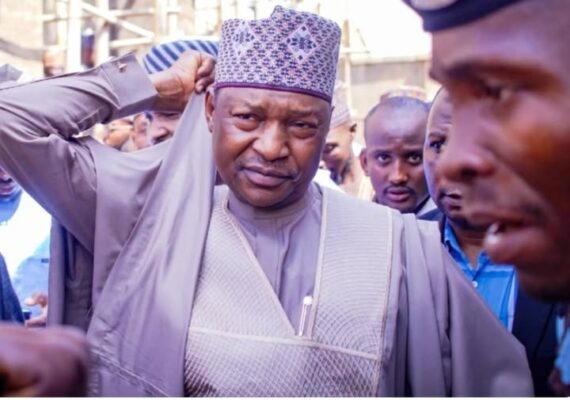
A Nigerian court has adjourned the terrorism financing trial of former Attorney-General and Minister of Justice Abubakar Malami and his son. The case will now resume on April 15, 2026, marking a substantial delay in a proceeding that has captured significant public and political interest. This adjournment extends a legal process centered on serious allegations against a former high-ranking official, pushing the potential for a verdict further into the future.
Background: From Top Prosecutor to Defendant
Abubakar Malami served as Nigeria's Attorney-General and Minister of Justice from 2015 to 2023, a role that made him the federal government's chief law officer and head of its prosecutorial machinery. His tenure saw him involved in numerous high-stakes legal and political matters, including major anti-corruption cases and international asset recovery efforts. The current trial, therefore, represents a dramatic turn, placing a former top legal authority on the other side of the courtroom as a defendant. This shift from prosecutor to accused is rare in any country and places immense scrutiny on Nigeria's judicial system.
The Charges and The Significance of the Delay
The specific charges relate to terrorism financing, a serious offense under Nigerian law. Terrorism financing involves providing funds, property, or financial services to individuals or groups engaged in terrorist activities. These laws are designed to cut off the resources that enable violent extremism, a persistent and deadly challenge for Nigeria, particularly from groups like Boko Haram and Islamic State West Africa Province (ISWAP) in its northern regions.
The court's decision to adjourn until April 15, 2026, means a pause of over two years in the legal arguments and evidence presentation. Such delays are common in complex Nigerian court cases, often attributed to logistical challenges, requests from legal teams for more time to prepare, or crowded court schedules. However, each postponement prolongs the final resolution for the defendants, the public's search for accountability, and the test of judicial impartiality when a former system insider is the one on trial.
The adjournment ensures this high-profile case will remain a subject of legal and political discourse for the foreseeable future, as observers watch to see how Nigeria's courts handle a figure who once oversaw their operation.