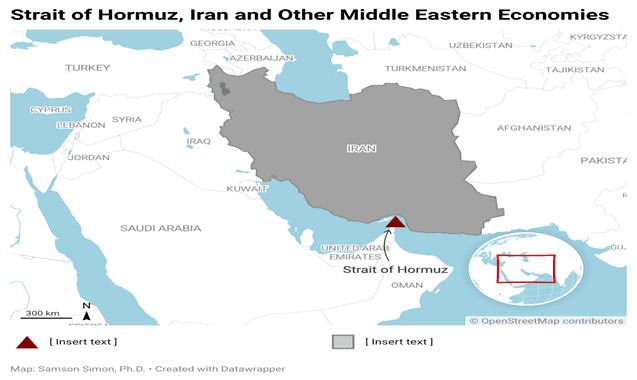
The Strait of Hormuz is far more than a narrow blue line on a map. It is the single most important maritime chokepoint for global energy supplies, a geographic bottleneck where geopolitics and economics collide daily.
The World's Energy Artery
Connecting the Persian Gulf to the Gulf of Oman and the wider Indian Ocean, the Strait of Hormuz is the only sea route for oil and gas exports from major producers like Saudi Arabia, Iraq, the UAE, Kuwait, and Qatar. At its narrowest, the strait is just 21 miles across, with inbound and outbound shipping lanes squeezed to a mere two miles wide each.
This creates a natural and highly vulnerable pinch point. Every day, an average of 21 million barrels of oil—representing about 21% of global petroleum consumption—transits this channel. To put it bluntly, one-fifth of the world's oil supply depends on this passage remaining open.
Beyond Oil: The LNG Lifeline
The strait's importance extends beyond crude. It is equally critical for global liquefied natural gas (LNG) markets. LNG is natural gas cooled to a liquid for transport by specialized tankers. Approximately one-third of all seaborne LNG trade, with Qatar being the primary exporter, flows through the Strait of Hormuz. This makes the waterway indispensable for energy security in Asia and Europe.
A Permanent Geopolitical Flashpoint
Such strategic value inevitably breeds tension. The strait is bordered by Iran and Oman, with Iran holding the northern coastline. Tehran has repeatedly demonstrated and threatened its ability to disrupt maritime traffic—through naval exercises, seizures of tankers, or threats of closure—as a lever in regional and international disputes, often related to its nuclear program.
This threat grants Iran significant asymmetric power, turning the strait into a constant security concern.
Securing the Chokepoint
In response, ensuring freedom of navigation is a top priority for the United States and its allies. The U.S. Navy's Fifth Fleet, based in Bahrain, leads persistent patrols and operations in the area to deter aggression and reassure global partners. The stability of this narrow waterway is not a regional issue; it is a cornerstone of global economic stability.
The Strait of Hormuz remains a stark reminder of how geography dictates global power. As long as the world runs on hydrocarbons from the Persian Gulf, this 21-mile-wide passage will be at the center of it all.