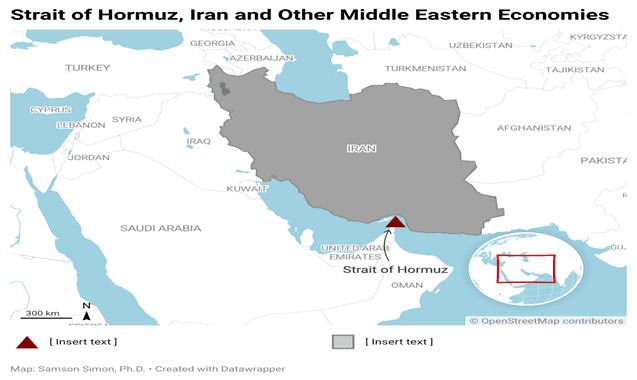
If you've ever filled up your car or paid an electricity bill, you're connected to a narrow strip of water halfway around the world. The Strait of Hormuz, spanning just 21 miles at its narrowest point between Iran and Oman, serves as the world's most critical energy artery.
The World's Oil Superhighway
Every day, approximately 21 million barrels of crude oil and liquefied natural gas transit through this maritime bottleneck. This represents about 20% of global oil consumption and 30% of all seaborne traded oil. The tankers that navigate these waters carry energy destined for major economies including China, Japan, India, and European nations.
A Geographic Chokepoint
The strait's geography creates inherent vulnerability. Shipping lanes narrow significantly, forcing massive vessels to follow precise traffic separation schemes. This concentration of traffic means a single incident—whether military, terrorist, or accidental—could disrupt global energy flows. Insurance premiums skyrocket during periods of tension, immediately affecting oil prices worldwide.
The Geopolitical Flashpoint
Control of the strait represents one of the most significant strategic questions in international relations. While the waterway lies within the territorial waters of Iran and Oman, Iran has repeatedly emphasized its capability to close the passage during conflicts. This threat has been a recurring element in regional disputes and Iran's negotiations with Western powers.
Global Economic Implications
Disruptions in the Strait of Hormuz have immediate consequences. During periods of heightened tension, global oil prices typically spike within hours. For oil-import dependent nations like Japan and India, sustained closure could threaten energy security and economic stability. Even minor incidents cause shipping delays and increased insurance costs that eventually trickle down to consumers at gas pumps globally.
The Future of Energy Transit
As global energy demand continues to grow—with the U.S. Energy Information Administration projecting increases through 2050—the strategic importance of the Strait of Hormuz will only intensify. Alternative routes and energy sources remain limited, ensuring this narrow waterway will remain at the center of global energy security discussions for decades to come.