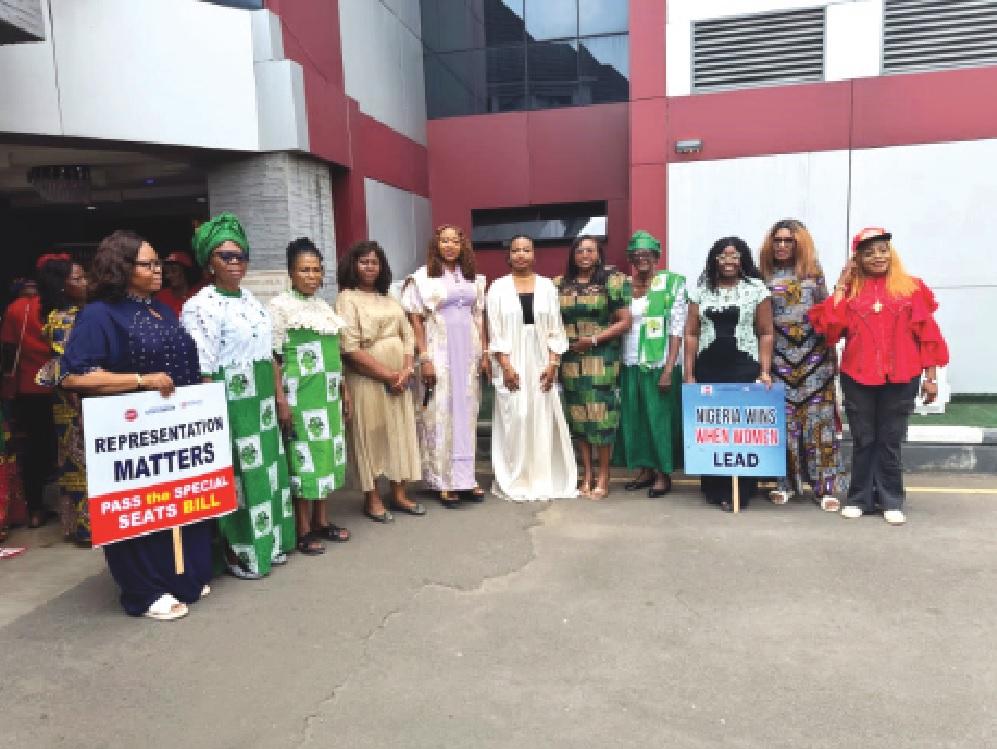
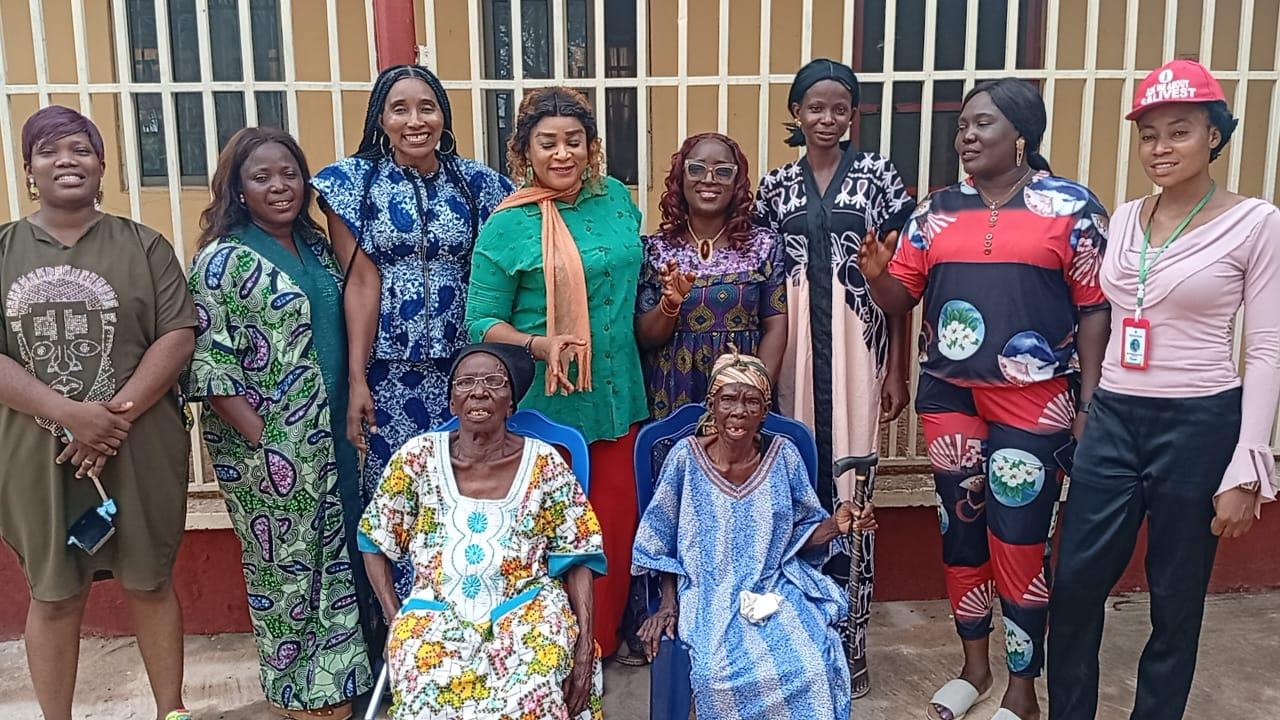
<h2>A Rallying Cry Without a Clear Source</h2><p>A new and notably vague challenge is circulating, calling on women to 'rise above barriers.' The message is clear in its intent—to motivate—but opaque in its origin. The term 'stakeholders' is deployed, a broad label that could encompass employers, advocacy groups, or policymakers, leaving the specific architects of this call to action unidentified.</p><h2>The Power and Peril of Vagueness</h2><p>This lack of specificity is a double-edged sword. On one hand, a universal challenge can resonate across diverse experiences, acknowledging that obstacles exist in corporate boardrooms, community spaces, and beyond. The language of 'rising above' taps into powerful narratives of resilience and personal triumph.</p><p>On the other hand, vagueness can be a tool of evasion. By framing the solution as a personal challenge to overcome undefined hurdles, the call risks placing the entire burden of progress on individuals. It subtly shifts focus away from the need to identify, dismantle, and rebuild the systemic structures that create these barriers in the first place.</p><h2>The 'Stakeholder' Question: Who Has Skin in the Game?</h2><p>The deliberate use of 'stakeholders' is telling. It implies groups with a vested interest in the outcome—perhaps in a more diverse workforce, a more equitable society, or a better public image. But without naming them, the challenge avoids assigning direct responsibility for creating change. It becomes a sentiment rather than a strategy, a mood rather than a mandate with clear owners and metrics.</p><h2>Beyond Personal Resilience: The Call for Structural Solutions</h2><p>While personal resilience is invaluable, history shows that sustained equality is won through structural change—policy reforms, inclusive hiring practices, transparent pay scales, and accessible childcare. A challenge that does not point toward these concrete levers may inspire in the short term but disappoint in the long term.</p><p>The conversation this vague challenge sparks is perhaps its most valuable contribution. It forces us to ask: Who, exactly, is being challenged? Is it women to try harder, or is it institutions to do better? The answer to that question will determine whether this call is a catalyst for accountability or merely a passing motivational phrase.</p>
The Vague 'Challenge' to Women: Empowerment or Evasion?
A broad call to action is urging women to overcome systemic obstacles, though the specifics of the challenge and its backers remain undefined.