The news spread through Oslo's neighborhoods faster than the morning tram. At the coffee shop near Majorstuen, people weren't talking about the weather or the price of bread. They were leaning in, voices low, asking if anyone had heard the sirens near Frogner. The word was out: three brothers, from right here in the city, were now in handcuffs. For folks just trying to get their kids to school and make it to work, it felt too close to home. This wasn't a story from somewhere else; it was about a family from our community.
Police haven't released the brothers' names or where they're from, but that hasn't stopped the guessing. In the markets and on the bus, people wonder if they've seen them, if they went to the same school, if they shopped at the same Kiwi. The lack of details makes it more unsettling. Everyone knows someone with three sons. It makes you look at your neighbors a little differently, even if you don't want to.
The blast itself shook windows and rattled nerves in one of Oslo's most secure districts. The U.S. embassy is a fortress, a place you pass by but don't really see. To think an explosion happened there, in broad daylight, sends a chill down your spine. It's a reminder that nowhere is completely safe, not even the places guarded by concrete barriers and armed police.
For immigrant communities here, the news brings a familiar, heavy worry. There's a fear that this will paint everyone with the same brush, that suspicion will grow in the grocery store line or at the job center. A man at a community center in Grønland, who asked not to be named, simply shook his head and said, 'This is bad for everyone. Now people will look at us and see a problem, not a person.'
The arrest of three siblings points investigators toward a possible family connection to the attack. It suggests planning, not just a random act. Police are likely digging through their lives, their contacts, their online activity. For their relatives and friends, this is a personal earthquake. Their world has been turned inside out by the flashing lights and the knock on the door.
Security around other foreign embassies and government buildings has visibly tightened since the blast. The normal flow of city life now has these new knots of tension—more police vans, more officers with serious faces. It changes the feel of the city. Oslo is supposed to be open and peaceful; this incident forces a different reality onto its streets.
Parents are having quiet conversations with their kids, trying to explain why there are more soldiers in the city center. Shop owners near the embassy are checking their insurance and wondering about foot traffic. The practical, everyday worries mix with the bigger fear. People are going about their business, but the undercurrent of anxiety is real. Life goes on, but it's a bit more cautious, a bit more watchful.
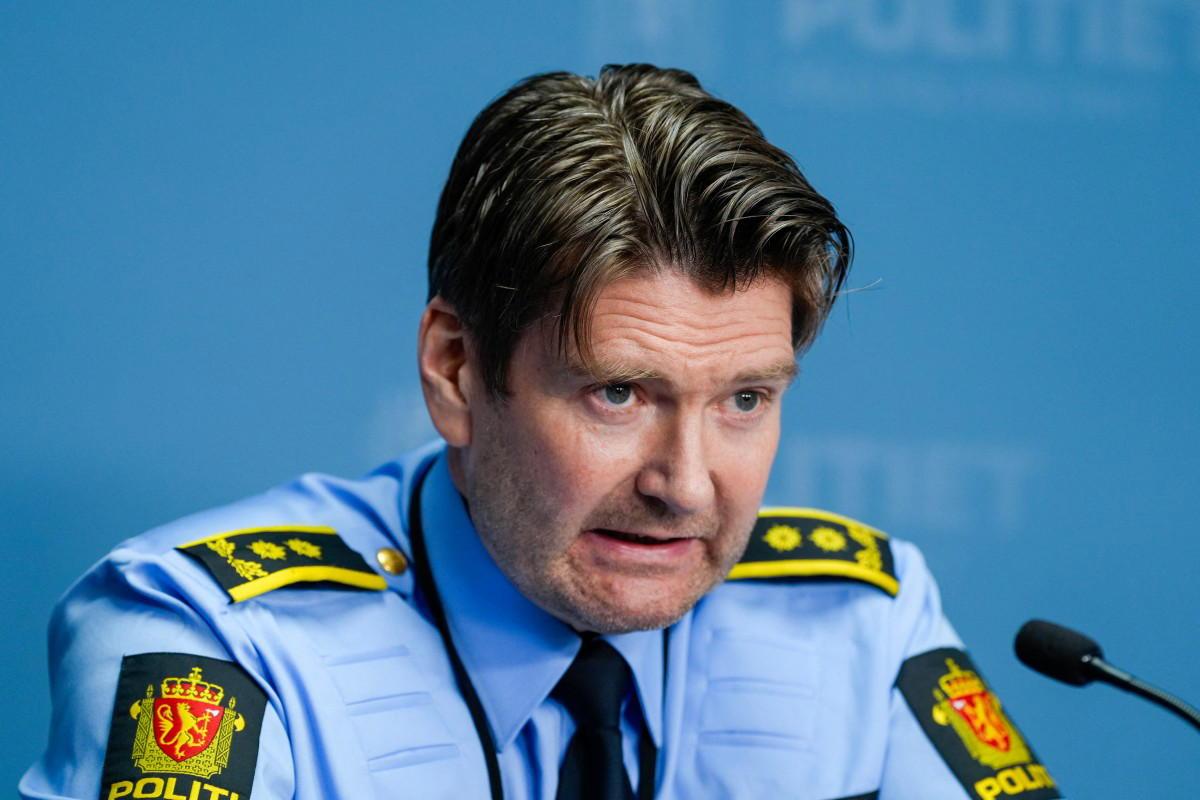
The police investigation is now in a critical phase. The brothers will be questioned, evidence will be analyzed, and a clearer picture of what happened and why will slowly emerge. For the people of Oslo, the coming days mean waiting for answers, hoping for no further violence, and trying to piece back together the sense of security that was shattered along with the embassy's windows. The next major update will come from the police press conference, where they may finally put names to the three arrested brothers.