The talk at the local kiosk this morning wasn't about the price of garri or the latest football scores. It was about the three senators who just crossed over. 'They've moved again,' Musa said, shaking his head as he sipped his tea. For people here, these political moves aren't just headlines; they feel like the ground shifting under our feet, changing who might listen when we have a problem with the roads or the schools.
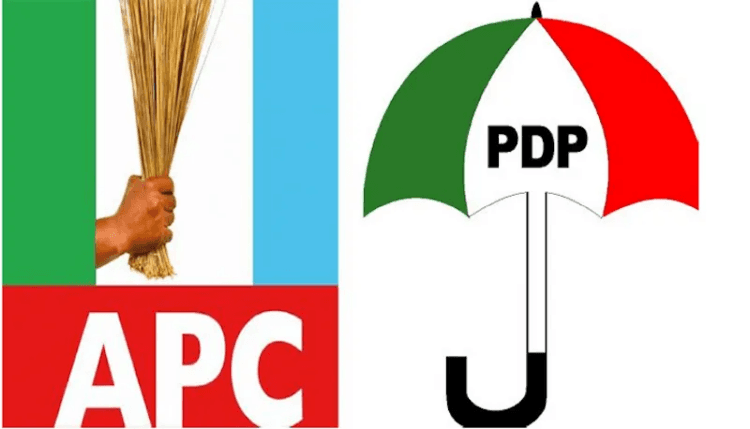
Three more senators have left the Peoples Democratic Party for the All Progressives Congress. That's the simple fact, but the meaning runs deep. In a place where political loyalty often decides where development projects go, a switch like this makes folks wonder if their community will be remembered or forgotten. Will the new party bring the promised jobs and better clinics, or is this just another game of musical chairs played with our futures?
This isn't the first time politicians have changed sides, and it surely won't be the last. But every time it happens, it chips away at what little trust people have left in the promises made during elections. You hear it in the market: 'Same people, different uniform.' For families struggling to get by, it's hard to see how this helps put food on the table or gets their children a better education.
The move weakens the PDP, the main opposition party. That means there are fewer strong voices in the room to question the government or propose different ideas. In a democracy, a strong opposition is supposed to keep everyone honest. When it gets smaller, people worry that the checks and balances we hear about start to disappear. It feels like the game is being tilted, and ordinary citizens are the ones who might lose out.
On the other hand, the APC grows stronger with these new additions. The ruling party gains more numbers and more influence. For supporters of the APC, this might look like a sign of success, a gathering of forces. But for others, it raises questions about whether one party having too much power is good for anyone in the long run. A healthy debate needs different sides.
So what does this mean for us, the people waiting for change? Political defections can lead to instability. Policies might change direction mid-stream, leaving half-finished projects in communities that desperately need them. The focus can shift from serving the public to managing internal party politics and rewarding new members. The real work of governance can get lost in the shuffle.
These shifts also make it harder for voters to hold anyone accountable. If a senator you voted for switches parties, who do you blame if things don't improve? The party they left? The one they joined? It creates a confusing picture where politicians can avoid responsibility by pointing to their new political home. It leaves voters feeling powerless and cynical.
The next big test will be how this changed lineup votes on important laws that affect everyday life—things like the budget, education funding, or infrastructure bills. That's when we'll see if this political musical chairs makes any real difference for the man on the street, or if it's just noise that drowns out the voices of ordinary Nigerians who just want a better life for their families.