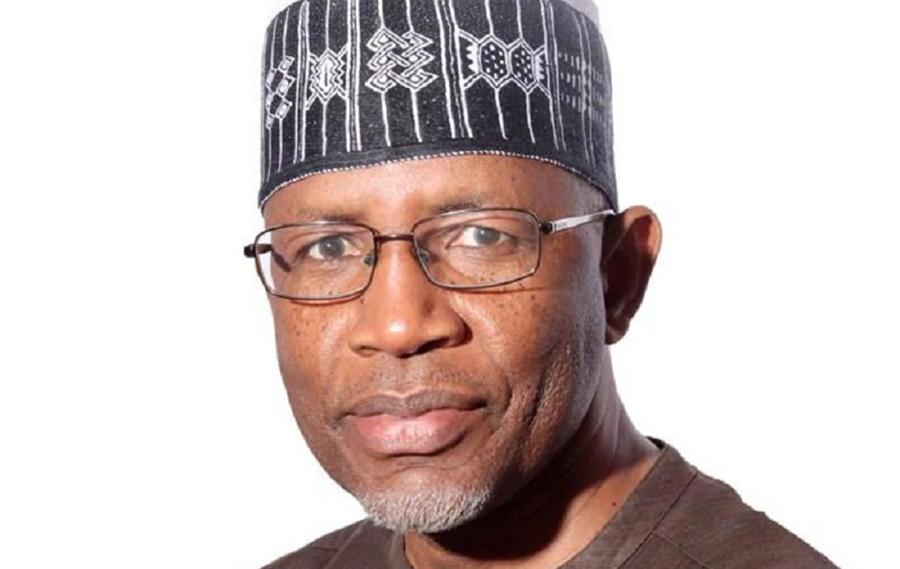
President Bola Tinubu has appointed Lamido Yuguda as a Deputy Governor of the Central Bank of Nigeria (CBN), placing him in one of the institution's most influential operational roles. This appointment is a significant development for Nigeria's financial governance, coming at a time of complex economic challenges.
The Role of a CBN Deputy Governor
Deputy governors at the CBN are responsible for overseeing critical departments. These typically include Monetary Policy, Economic Policy, Financial System Stability, and Operations. While the specific portfolio assigned to Yuguda has not been detailed in the initial announcement, his responsibilities will undoubtedly encompass one of these core functions. Each deputy governor holds a seat on the bank's powerful Monetary Policy Committee (MPC), which sets the benchmark interest rate—a key lever for controlling inflation and stimulating growth.
Context and Timing of the Appointment
The appointment arrives as the Central Bank navigates persistent inflation, exchange rate volatility, and the broader task of stabilizing Nigeria's economy. Leadership continuity and expertise at the deputy governor level are essential for maintaining consistent policy implementation. A new appointment can either signal an upcoming shift in focus or reinforce the existing strategic priorities of the Tinubu administration, which has emphasized economic reforms since taking office.
Market and Policy Implications
Financial markets closely watch such high-level appointments for clues about future policy direction. Analysts will scrutinize Yuguda's professional background, past public statements, and perceived leanings on issues like interest rate management and banking sector regulation.
In practical terms, Yuguda will soon participate in MPC meetings. His vote will directly influence the cost of borrowing for businesses and consumers across Nigeria. The committee's decisions are data-driven, aiming to balance price stability with economic growth, making each member's analytical perspective crucial. This move represents a pivotal personnel decision that will shape Nigeria's economic trajectory in the coming months.