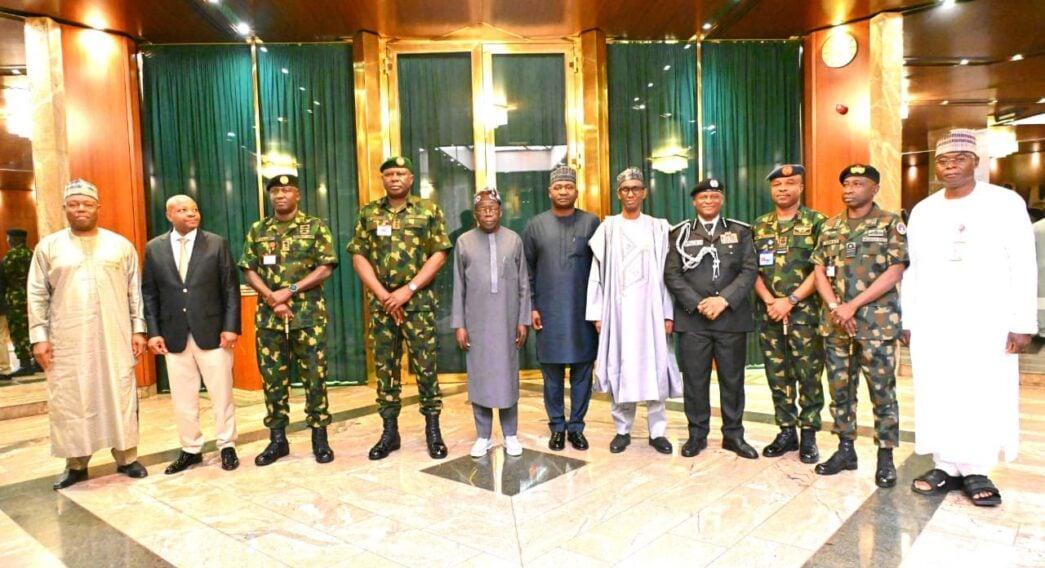
President Bola Tinubu just gave the green light for new military hardware. It's a direct move to back Nigeria's troops who are ramping up their fight against terrorism. This isn't just about sending more gear—it's about giving soldiers what they need right now, when the pressure's on. Think of it as a critical resupply mission authorized from the very top, aimed at a conflict that's stretched on for over a decade. The timing's no accident; it's a response to the current operational tempo on the ground.
We're talking about a serious anti-terror push that's already underway. Troops aren't waiting around; they're intensifying their operations across multiple fronts, from the forests of the northeast to bandit-prone northwest zones. So this approval from the top is meant to match that momentum. It's like fueling an engine that's already running hot. The military's been under public and political pressure to show more decisive results, and escalating operations is their answer. This hardware approval is the logistical counterpart to that tactical shift.
What kind of hardware are we looking at? The details aren't spelled out, but it's safe to say it's the kind of equipment that can make a real difference in the field. Think about the challenges troops face—rugged terrain, mobile enemy groups, and complex threats. They need tools that are up to the task. In past operations, soldiers have often cited shortages of vital gear like armored personnel carriers, night-vision equipment, drones for surveillance, and reliable communication systems. It's a fair bet the new package aims to plug some of those gaps.
Here's the thing: approving this gear isn't an isolated decision. It's part of a broader strategy to confront the terrorist threat head-on. The government's signaling that it's committed to resourcing this fight properly. That's a message for the troops, for the public, and for the groups they're fighting. For a soldier on the front line, knowing new equipment is coming can be a huge morale booster. For civilians in insecure areas, it's a sign the state hasn't forgotten them. And for insurgents, it's a warning that their adversary might soon have greater reach and firepower.
You've got to wonder, how will this change the situation on the ground? New hardware can boost capabilities, but it's the soldiers using it that really matter. They're the ones who'll turn these resources into results. Their training and morale are just as crucial as the equipment itself. A fancy new drone won't help if the operator isn't well-trained, and a new vehicle won't last if maintenance chains are broken. This is where the rubber meets the road—the intersection of new tools and human skill.
This move comes at a critical time. Communities across affected regions have been dealing with violence and instability for years. They're looking for signs that the tide is turning. A well-equipped military is one of those signs—it shows the state has the capacity to protect its people. But there's a deeper context here: security is the bedrock for everything else. Without it, you can't rebuild farms, reopen schools, or attract investment. So this hardware isn't just for fighting; it's indirectly for rebuilding a normal life in places that have lost it.
But let's be clear: hardware alone doesn't win wars. It's about how it's deployed, maintained, and integrated into existing operations. The military's leadership will have to make smart decisions about where these new assets go first. They'll need to prioritize the areas where they can have the biggest impact. Does it go to a hot spot for a major offensive, or is it distributed to shore up defenses in many places? These are tough calls that'll shape the next few months of the conflict. Past procurement issues have sometimes led to equipment sitting idle or being misallocated, so the implementation phase is where the real test begins.
So what happens next? The approval is in place, but the real work is just beginning. Getting the equipment to the right units, training personnel on its use, and fitting it into operational plans—that's the next phase. We'll be watching to see how quickly this support translates into stronger security on the front lines. The public's patience isn't infinite, and neither is the budget. This investment needs to show a tangible return in reduced attacks and reclaimed territory. The clock starts now on delivering that result.