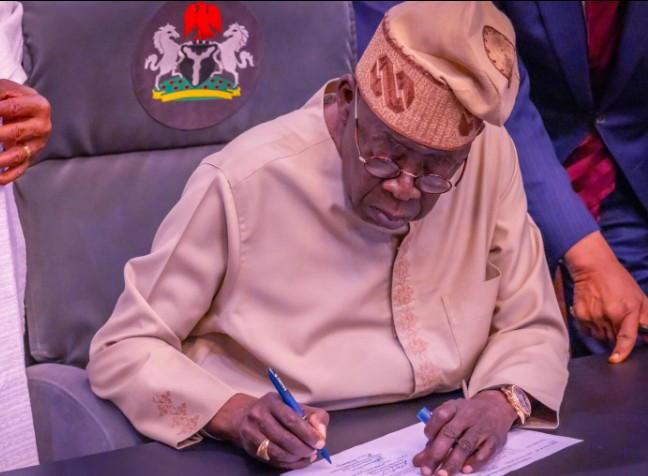
In a move signaling a preference for administrative stability, President Bola Tinubu has renewed the appointments of three Federal Permanent Secretaries. The decision, communicated through official channels rather than a major public announcement, underscores the often-understated role these senior officials play in the functioning of government.
The Engine Room of Government
Permanent Secretaries are considered the institutional backbone of Nigerian ministries. Unlike political appointees such as ministers, who may change with each administration, these career civil servants provide continuity, manage daily operations, and oversee the implementation of policies and budgets. Their renewal suggests an intent to minimize disruption in key departments.
Impact on Service Delivery
For the average citizen, the stability of these roles can have tangible effects. Whether it's the completion of a local road project, the rollout of educational initiatives, or the management of healthcare systems, consistent leadership at the permanent secretary level can help ensure projects are not derailed by administrative changes. As one observer noted, 'When the person in charge of a budget stays in place, there's less chance of things getting lost in the shuffle.'
A Quiet Decision with Potential Loud Consequences
The lack of public fanfare around the renewals indicates the administration views this as a matter of routine governance rather than a political spectacle. The specific identities of the three permanent secretaries were not disclosed, which is typical for such internal administrative actions.
The Road Ahead
While the renewals promote bureaucratic continuity, the ultimate measure of their success will be in outcomes. Will this stability translate into more efficient service delivery, faster processing of public needs, and the successful completion of infrastructure projects? Communities across Nigeria will be watching closely to see if sustained leadership leads to visible improvements in their daily lives. The move reflects a classic governance challenge: balancing administrative experience with public accountability for results.