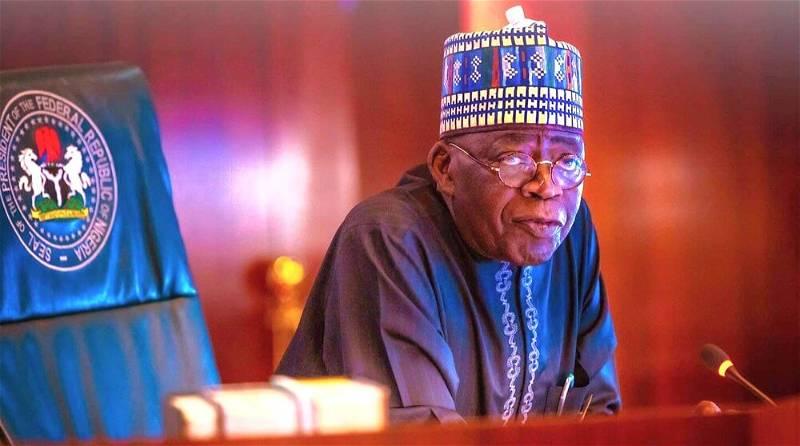
The constant hum of generators is the unofficial soundtrack to commerce and daily life across Nigeria. From Mama Chidi's buka to the tailor's shop next door, reliance on expensive private fuel is a heavy tax on productivity and comfort. This reality is the backdrop for a significant move from Abuja: President Bola Tinubu has inaugurated an 11-man committee with a singular mandate—to drive the incorporation of a Grid Asset Management Company for Nigeria.
A Focused Mandate for a Persistent Problem
This committee is not another generic task force. Its defined goal is the creation of a new corporate entity to take over the management of the national electricity transmission grid. The strategy moves away from fragmented oversight, proposing a single, professional organization responsible for maintenance, upgrades, and ensuring smooth power flow from generation plants to every community.
The Grid: Nigeria's Electricity 'Road'
To understand the mission, envision the national grid as the country's main highway for electricity. Currently, this critical infrastructure is marred by the equivalent of potholes, broken bridges, and outdated signage—leading to constant breakdowns and inefficient distribution. The proposed Grid Asset Management Company would act as a dedicated, full-time repair and management crew for this vital roadway.
The Potential Impact on Ground
For small business owners like Emeka, who runs a shop selling cold drinks, the implications are direct. 'If they can just make the light steady, my business can breathe,' he says, highlighting how fuel costs consume profits. Beyond commerce, a reliable grid means students can study after dark, clinics can reliably refrigerate medicines, and overall quality of life can improve.
A Cautious Hope
Skepticism is natural; Nigerians have witnessed committees and power initiatives come and go with little change. The success of this plan hinges on the committee's ability to swiftly establish a functional, well-funded, and transparent management company insulated from past inefficiencies. The journey from committee formation to a consistently lit home is long, but this move represents a concrete step toward structural change in Nigeria's power sector.