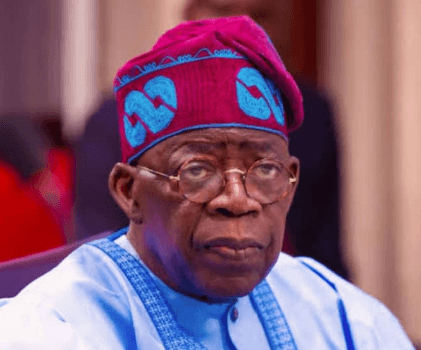
The price of petrol is the first thing people here talk about in the morning. It decides if a driver can afford to work that day or if a family can make the trip to the market. Now, there's word from Abuja that could change that daily math. President Bola Tinubu has given a direct order to roll out about 100,000 kits to convert cars and buses to run on Compressed Natural Gas (CNG), which is supposed to be cheaper and cleaner.
A Direct Mandate from the Villa
Ismael Ahmed, the head of the Presidential Initiative on CNG, delivered the news after a private meeting with the President at the Villa on Tuesday. "He has given a direct mandate that we should immediately deploy about 100,000 conversion kits," Ahmed said. For drivers listening to the radio in their cabs or at motor parks, that word 'immediately' is what sticks. They've heard promises before, but a direct order from the President feels different, even if they're still waiting to see the kits in their own neighborhoods.
More Than Just Savings: A Lifeline for Families
The whole idea is to give people a break from the punishing cost of petrol. CNG is meant to be a more affordable option, putting a little more money back in people's pockets at the end of the week. It's not just about saving a few naira; it's about whether a mother can budget for school fees or a driver can fix a tire without going into debt. This push for CNG is being framed as a key gain of the administration's reforms, according to statements from the Interior and Information ministers.
The Infrastructure Hurdle
But having a conversion kit is useless if you can't find fuel. Right now, the infrastructure is still being built. Ahmed confirmed there are about 77 refueling stations at various stages of development across the country. That's a start, but for a nation of this size, it means stations will be few and far between at first. People in major cities might benefit sooner, while those in smaller towns will be watching and waiting, hoping the rollout reaches them too.
The success of this plan will live or die on the ground. Will the kits be affordable and accessible? Will the refueling network expand fast enough? For millions of Nigerians, the answers will translate directly into their daily lives and livelihoods.