President Bola Tinubu has directed his administration to implement measures protecting Nigerian commuters from the economic fallout of the Middle East war. The proactive step seeks to cushion the impact of potential fuel price shocks and supply disruptions stemming from the conflict, acknowledging the direct link between global instability and local hardship.
Targeting the Transport Sector
While specific policy details are not yet public, the directive signals a clear focus on the transport sector as a primary pressure point. Any significant disruption to global oil markets or supply chains can rapidly translate into higher pump prices and transport fares within Nigeria. By targeting commuters, the government is attempting to insulate the most vulnerable from a crisis they did not create.
Nigeria's Complex Position
The announcement comes as conflicts in the Middle East continue to threaten global energy security. Nigeria, as a major oil producer, is not immune to these international shocks. Price volatility abroad can affect domestic refining costs and the price of imported petroleum products, creating a complex challenge for economic planners who must balance local and global market forces.
The Cascading Effect on Daily Life
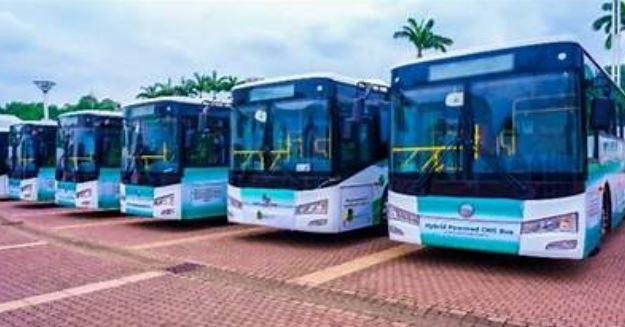
For millions of Nigerians who rely on buses, motorcycles (okada), and tricycles (keke) for daily travel, even a small increase in transport costs has a severe knock-on effect. It reduces disposable income, makes commuting to work more expensive, and inflates the price of goods due to higher logistics costs. The President's intervention recognizes this cascading economic threat to household budgets.
Learning from Past Responses
This is not the first time a Nigerian government has had to respond to external oil market shocks. Past administrations have deployed a mix of subsidy adjustments, strategic reserve releases, and engagements with transport unions during similar crises. The current approach will likely need to be similarly multifaceted to be effective.
The success of any cushioning measures will ultimately depend on their design, timing, and execution. Policies must be transparent and reach the intended beneficiaries—the commuters—directly to prevent the economic shockwaves of a distant war from upending daily life in Nigeria.