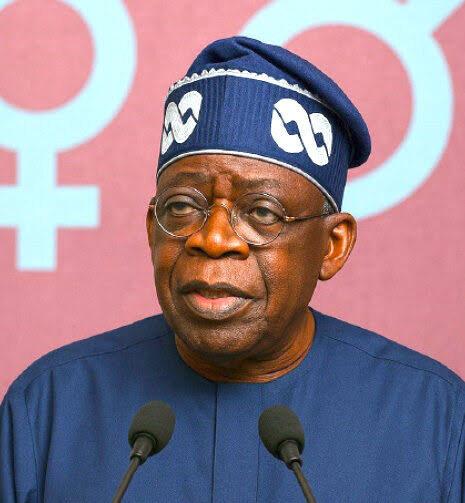
The familiar anxiety has returned to Nigeria's bus stops and motor parks. As petrol prices continue to bite, commuters are left checking dwindling cash, calculating how to afford next week's transport. In response to this mounting pressure, President Bola Tinubu has announced a major intervention: the immediate deployment of over 100,000 Compressed Natural Gas (CNG) conversion kits.
The Promise of Cheaper Gas
The presidential order aims to fast-track a shift from expensive petrol to cheaper CNG for vehicles and okada motorcycles. For drivers, a successful conversion could slash daily running costs by up to half—a potential lifeline for families struggling with soaring food prices and school fees. The directive emphasizes 'immediate deployment,' but the critical question on every mechanic's mind is timing. Past promises have often stalled between announcement and implementation. The true measure of this plan will be when the first kits arrive in workshops, not when they're mentioned in press statements.
A Crisis of Security in Ondo
While the government focuses on economic relief, a security emergency is unfolding in Ondo State. The police command has deployed tactical teams to several communities grappling with a spike in kidnappings. The fear is palpable: farmers are now too scared to tend their fields, and families are restricting movement, keeping children close to home. This development highlights how communities are battling multiple pressures simultaneously—economic strain compounded by physical danger on local roads.
Food Lines and Political Messages in Lagos
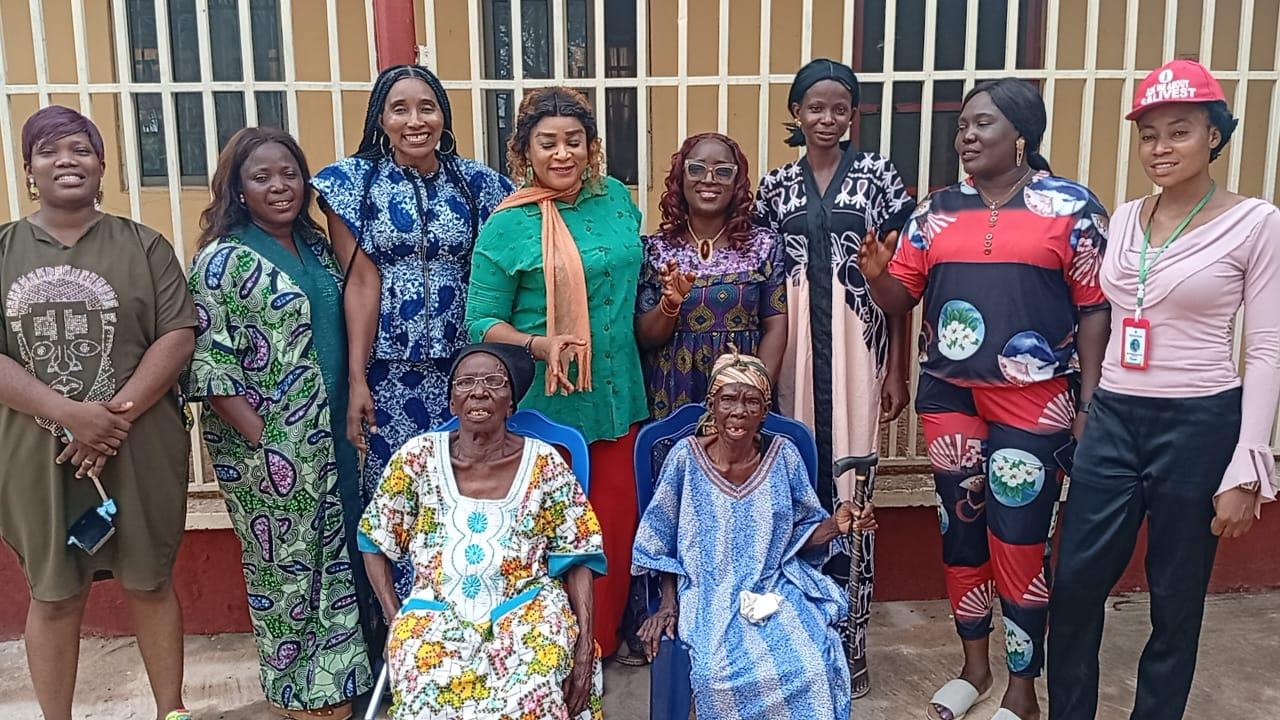
The immediate need is even more basic in parts of Lagos. Last Saturday, the Lawrence Olanrewaju (LOI) Foundation distributed food items to thousands of residents in Oshodi. The long, snaking lines painted a stark picture of need. Alongside bags of rice and garri, foundation workers delivered a political message, urging beneficiaries to continue supporting President Tinubu. For many in line, however, the immediate concern was the meal the aid would provide, not the politics attached to it.
The Road Ahead
The coming weeks will serve as a crucial test. Can the government rapidly distribute CNG kits to create tangible cost relief? Can security forces curb the kidnapping wave in Ondo? And will charitable distributions address—or merely highlight—deepening food insecurity? For Nigerians, these layered crises require more than announcements; they demand visible, effective action where it matters most: in their wallets, on their roads, and on their plates.