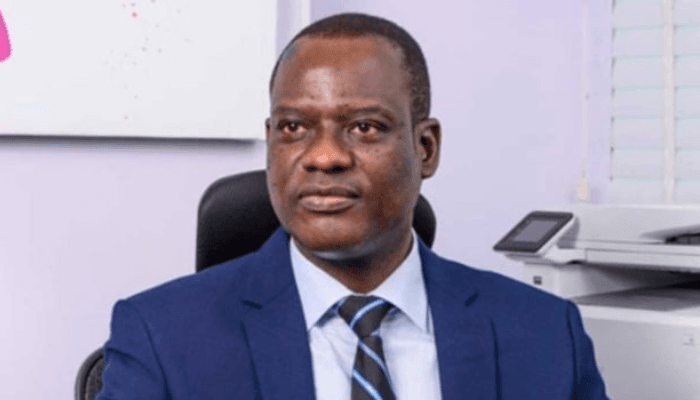
In a closed-door meeting at the Presidential Villa in Abuja on Tuesday, the Executive Chairman of the Presidential Initiative on Compressed Natural Gas (PiCNG), Ismael Ahmed, received a direct mandate. 'He has given a direct mandate that we should immediately deploy about 100,000 conversion kits,' Ahmed said after briefing the president. The directive aims to expand access to Compressed Natural Gas as a cheaper and cleaner alternative to petrol, a move Tinubu requested as an update on measures to cushion the effects of rising global petroleum prices.
Ahmed reveals the president is particularly concerned about the impact of tensions in the Middle East on fuel costs for ordinary Nigerians. The conversion kits will enable vehicle owners and tricycle operators to switch their engines from petrol to CNG. Ahmed predicts the nationwide deployment will begin within the next two to three weeks, aiming for quick results to reduce transportation costs and improve mobility.
Meanwhile, the infrastructure to support this shift is taking shape across the country. 'We currently have about 77 refuelling stations at various stages of development across the country,' Ahmed noted. He pointed to Kano, which already has two Liquefied Compressed Natural Gas stations, with additional daughter stations under development. The planned rollout will extend along major routes from Lokoja to Abuja, Kaduna and Zaria, and further to Kano and Maiduguri.
This push for alternative energy is part of a broader strategy. The government is also partnering with local and international manufacturers to encourage the assembly of electric vehicles in Nigeria. Furthermore, the PiCNG is collaborating with the Rural Electrification Agency to deploy solar-powered charging stations in off-grid locations, creating a multi-pronged approach to energy and transport.
The urgency of this initiative is underscored by the crippling reality for many businesses. Prominent filmmaker Kunle Afolayan has expressed distress over the soaring cost of diesel for powering his operations, which now incur expenses of up to N11 million monthly. This personal story highlights the widespread economic pressure that Tinubu's CNG directive seeks to address.
In a separate but concurrent move, President Tinubu has written to the Senate requesting the confirmation of Taiwo Oyedele as a Minister. While the details of Oyedele's portfolio are not specified in the claims, the submission indicates ongoing efforts to shape the administration's team amidst these significant policy pushes.
Another major energy development also received presidential backing. The NNPC has secured approval for a $20bn Final Investment Decision on the Bonga deepwater project, which is expected to boost crude production by 150,000 barrels per day. Ministers Olubunmi Tunji-Ojo and Mohammed Idris have listed gains from the administration's reforms, suggesting a comprehensive, if challenging, economic agenda.
As the PiCNG team prepares to execute the president's order, the coming weeks will test the government's ability to deliver tangible relief. The success of deploying 100,000 conversion kits and the accompanying refuelling network could mark a turning point for millions grappling with the high cost of movement in Africa's most populous nation.