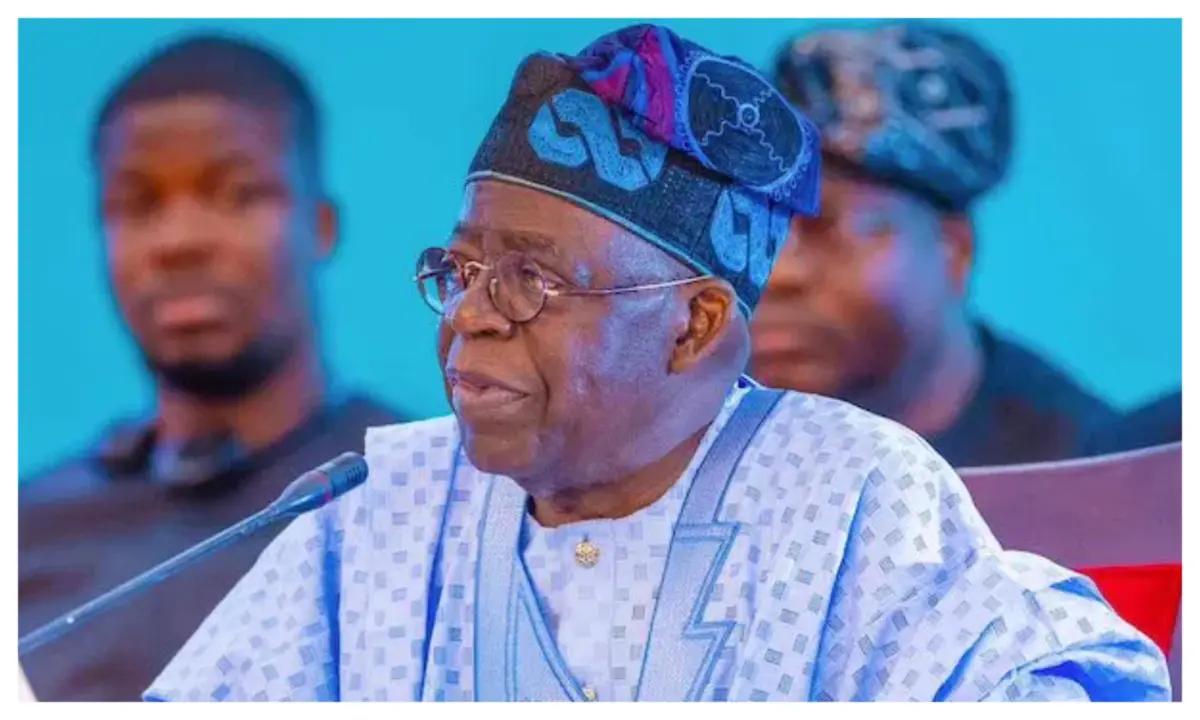
Down at the mechanic workshops in Ojota, the talk isn't about politics. It's about the price of petrol and whether the government's latest promise will finally make a difference. Word is spreading that President Bola Tinubu has ordered 100,000 kits to convert cars from petrol to Compressed Natural Gas, or CNG. For drivers spending half their day's earnings on fuel, this could be a lifeline, if it's real.
People here have heard about CNG for years. It's supposed to be cheaper and cleaner than the petrol that's bleeding our pockets dry. But the kits to make the switch have always been too expensive or impossible to find. Now, with an order for 100,000 kits, there's a flicker of hope. The question on everyone's mind is simple: when will they get here, and who will get them first?
This isn't just about private car owners. The keke napep drivers, the danfo bus operators, the market women who use trucks to bring goods—their entire livelihood depends on affordable transport. A conversion kit could mean the difference between making a profit and just working to buy fuel. 'If this thing is true, it will change everything,' one bus driver said, wiping grease from his hands. 'But we have seen big announcements before.'
The president's order is a direct response to the pain at the pump. Since the removal of the fuel subsidy, filling a tank feels like a luxury few can afford. Converting to CNG is pitched as a national solution, a way to use our own gas instead of importing expensive fuel. For families budgeting every naira, a cheaper alternative can't come soon enough.
Yet, in the community, trust is thin. Big plans from Abuja often get lost on the long road to the streets where people live and work. Will these 100,000 kits be sold at a fair price? Will there be loans or support for drivers to buy them? And what about the CNG filling stations? You can't run a car on gas if there's nowhere to fill it up.
The mechanics who would do the conversions are cautiously optimistic. They have the skills, but they need the tools and the training. If this rollout is handled well, it could create new jobs in workshops across the country. If it's botched, it will be another wasted opportunity, another promise that evaporated in the hot sun.
Right now, the order is just that—an order. The real work begins with getting the kits from the ports to the people. It means setting up distribution, ensuring quality, and making sure the process is transparent. Communities are tired of programs that benefit only a connected few. This needs to work for the driver in Agege, the trader in Onitsha, the farmer in Jos.
The next step is seeing those kits arrive. People will be watching the newspapers and asking their local councilors. The first sign of success won't be a press statement; it will be a converted minibus pulling up to a CNG pump, its owner smiling because he saved money on his trip to the market. Until then, the community waits, hopes, and prepares their vehicles.