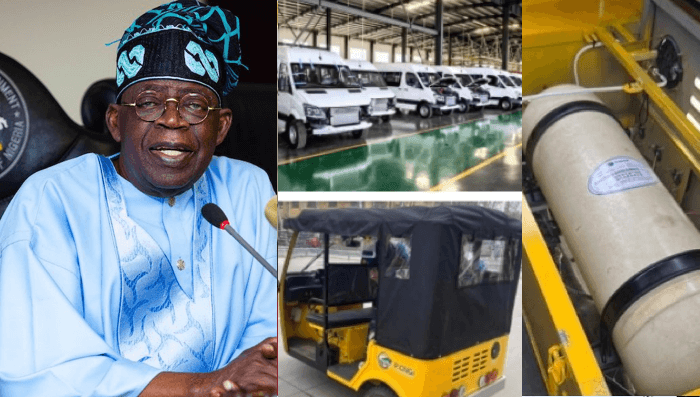
President Bola Tinubu has mandated the immediate, nationwide deployment of 100,000 Compressed Natural Gas (CNG) conversion kits. Issued on March 10, 2026, this directive marks a significant escalation from policy to tangible action in the government's drive for alternative fuel adoption.
What is CNG and Why the Push?
Compressed Natural Gas (CNG) is a fuel derived primarily from methane. Its key advantages are cost and cleanliness: it is typically cheaper than petrol or diesel and produces fewer harmful emissions upon combustion. For Nigeria, currently navigating high fuel prices and the removal of subsidies, a successful transition to CNG could offer substantial economic relief to millions of motorists and commercial transport operators.
From Kits to Conversion: The Logistics
Deploying 100,000 kits is a large-scale logistical undertaking, signaling a coordinated implementation phase. These kits will enable certified technicians and mechanics to retrofit existing petrol and diesel engines to run on CNG. The potential for long-term fuel cost savings for vehicle owners is a central promise of this initiative.
The Bigger Picture: Energy and Environment
This move is a core component of the administration's broader energy agenda. Diversifying the national fuel mix for transportation aligns with goals of reducing dependence on costly fuel imports. Furthermore, it connects to environmental objectives, as natural gas is a cleaner-burning fossil fuel alternative.
The Road Ahead: Challenges and Next Steps
However, the kits alone are not a complete solution. Successful implementation hinges on critical parallel developments:
- Refueling Infrastructure: A reliable, nationwide network of CNG filling stations must be established to support converted vehicles.
- Training and Awareness: Public awareness campaigns and technical training programs for mechanics are essential to ensure safe conversions and build consumer trust.
The scale of this kit deployment suggests preparatory work on these supporting pillars is likely already in motion. The economic and logistical implications of this transition will unfold in the coming months.