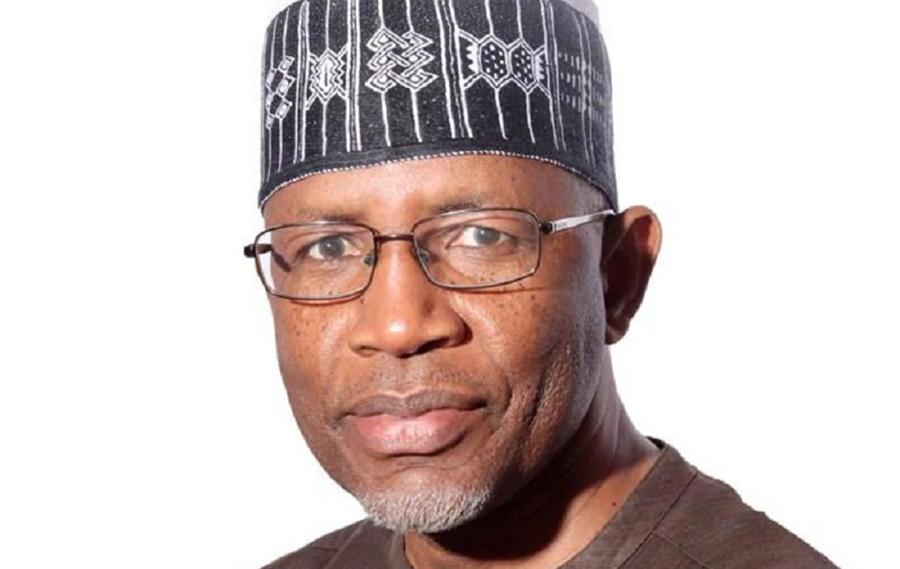
Down at the market, the talk isn't about high finance. It's about the price of rice, the cost of transport, and whether the naira in your pocket will hold its value till tomorrow. That's why when news broke that President Bola Tinubu appointed Lamido Yuguda as a Deputy Governor of the Central Bank, folks here paid attention. The person in that seat makes decisions that trickle right down to the street vendor and the okada rider.
For families trying to make ends meet, the CBN isn't some faraway building in Abuja. It's the place that sets interest rates, which decide if a loan for a small shop is possible. It manages the foreign exchange, which directly controls how much a bag of imported flour costs. Every appointment there matters because it shapes the rules of our daily economic struggle.
Lamido Yuguda is stepping into one of the most critical jobs in the country right now. The CBN has been at the center of the government's efforts to stabilize the economy, and a new deputy governor will have a hand in those policies. People are wondering if this signals a change in direction or a doubling down on the current path.
At the bus park, drivers swapping stories said they just want consistency. 'One day fuel is scarce, the next day the naira is falling,' one man remarked, wiping sweat from his brow. 'We need those big people to make decisions that help the common man, not just the big banks.' The hope is that Yuguda understands the pressure ordinary Nigerians are under.
Small business owners, the backbone of our community, are watching closely. They need access to credit that doesn't strangle them with high costs. They need a stable currency so they can plan and price their goods. The new deputy governor's approach to monetary policy will either open doors for them or keep them shut.
There's always a mix of hope and skepticism with these appointments. People remember past promises that didn't translate to easier lives. They've seen policies announced in fancy press conferences that later meant longer queues at the bank or higher prices at the market. The real test for Yuguda won't be in reports or meetings, but in whether things get a little easier for the woman selling tomatoes by the roadside.
The appointment is a reminder that the economy is run by people, not just numbers. Who sits in those chairs decides if a mechanic can get a loan to buy new tools, or if a farmer can afford fertilizer. It's about the practical realities of putting food on the table and keeping a business afloat in tough times.
For now, the community is waiting to see what happens next. The next major policy announcement from the CBN will be the first real sign of Yuguda's influence. Until then, people here will keep managing, day by day, hoping this change at the top eventually means a bit more breathing room at the bottom.