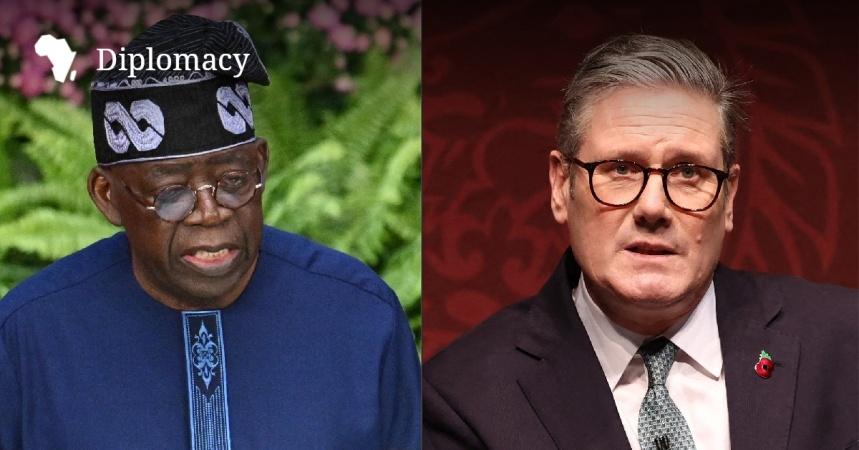
President Bola Tinubu has reportedly taken the significant step of removing the Inspector-General of Police, Kayode Egbetokun, from office. This development, based on verified reports, is sending shockwaves through Nigeria's political and security circles. Analysts are not viewing this as a routine personnel change but as a strategic, calculated move with deep implications for the future of law enforcement in Africa's most populous nation.
The significance of IGP Egbetokun's reported exit lies in his perceived role as a stalwart defender of the centralized police model. Throughout his tenure, his stance was often seen as emblematic of the traditional, federal-controlled structure—a system that has faced mounting criticism amid escalating security crises from banditry in the northwest to separatist tensions in the southeast.
By reportedly removing the IGP, President Tinubu is seen to have dismantled the last major ideological and bureaucratic barrier within the top police leadership. This action sends an unambiguous signal: the administration is committed to a fundamental restructuring of security governance. It effectively paves the way for the executive to aggressively pursue the constitutional and legislative amendments required to establish state-controlled policing systems.
The debate over state police is one of Nigeria's most enduring and contentious. Proponents, including many state governors, argue that the current centralized system is too slow and unresponsive. They contend that governors, who are constitutionally the chief security officers of their states, need direct command over police resources to effectively tackle localized threats like kidnapping, farmer-herder clashes, and gang violence.
Opponents, however, have long warned of potential pitfalls. Chief among these concerns is the fear that state governors could weaponize police forces for political repression, target opponents, or exacerbate inter-communal conflicts. Questions also linger about funding, standardization of training, and inter-state coordination.
Tinubu's reported move suggests the federal government is now decisively prioritizing the arguments for decentralization. The path forward will involve navigating a complex constitutional amendment process, which requires broad political consensus. While the removal of IGP Egbetokun marks a pivotal moment, the journey to a fully realized state police system—and ensuring it strengthens, rather than fragments, national security—is just beginning.