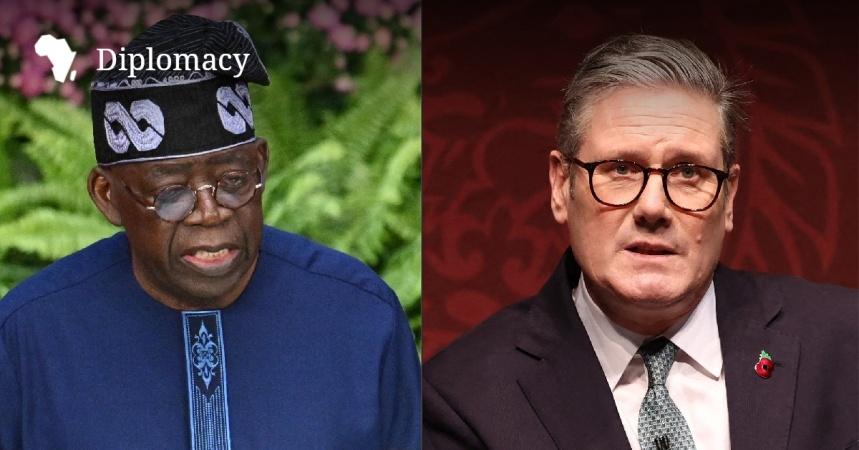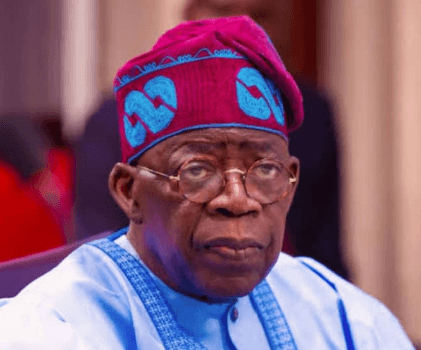
Guess what? President Bola Tinubu just made a bold claim about the financial health of Nigeria's states. He says they've finally stopped borrowing money just to pay their workers' salaries. That's a big deal if it's true, because for years, many states were essentially living paycheck to paycheck, taking on debt just to meet their most basic obligation: paying their staff. It paints a picture of a major turnaround in how states manage their money.
Here's the thing: when a government has to borrow to cover salaries, it's a sign of deep financial trouble. It means there's not enough regular revenue coming in from taxes and other sources to cover the most predictable and essential costs. For employees, it often meant delayed or irregular paychecks, which created a lot of hardship and uncertainty. So, if that cycle has truly been broken, it's a fundamental shift in stability for millions of public sector workers and their families.
Tinubu's linking this change directly to his administration's policies. He's suggesting that federal-level economic reforms have trickled down to strengthen state balance sheets. While he didn't list specific programs, it's likely he's referring to moves like the controversial fuel subsidy removal and the foreign exchange market reforms. The idea is that these tough decisions, while painful in the short term, are creating a more stable fiscal environment overall.
But let's be real — a claim like this needs some context. We're talking about 36 different states, each with its own unique economy, debt load, and management challenges. Some states, especially those with robust internal revenue generation, might've already been in a better position. Others, particularly those heavily dependent on federal allocations, likely felt the pinch much more acutely. So, has every single state truly kicked the borrowing-for-salaries habit? That's the question.
It's also worth remembering what 'survived' means in this context. Tinubu's using the word 'survived,' which implies the states have come through a difficult period. The early months of his presidency were marked by significant economic strain following the subsidy removal, which spiked the cost of living. For state governments, that period would've increased their costs while also potentially straining the finances of their citizens. Surviving that without salary loans is a notable claim.
What does this mean for the future? If states aren't spending their allocations and revenues on servicing salary debt, they should theoretically have more money for other things. We're talking about infrastructure projects, healthcare, education, and other development initiatives that often get sidelined when budgets are tight. That's the potential upside — a shift from survival mode to investment mode. But it's a big 'if' that depends on continued discipline and revenue growth.
Of course, we've got to consider the other side of the coin. Ending one type of borrowing doesn't automatically mean all fiscal problems are solved. States might still be carrying other significant debts, or they could be facing pressures in other areas like pension obligations or contractor payments. Financial health is multi-faceted, and salary payments are just one critical piece of a much larger puzzle.
So, what's next? The real test will be in the consistency of this new normal. Can states maintain this position through economic ups and downs without falling back on old habits? The upcoming budget cycles and financial reports from the states will be the concrete evidence to watch. They'll show us if this claimed stability is a temporary blip or a lasting foundation for growth. Keep an eye on those numbers — they'll tell the real story.