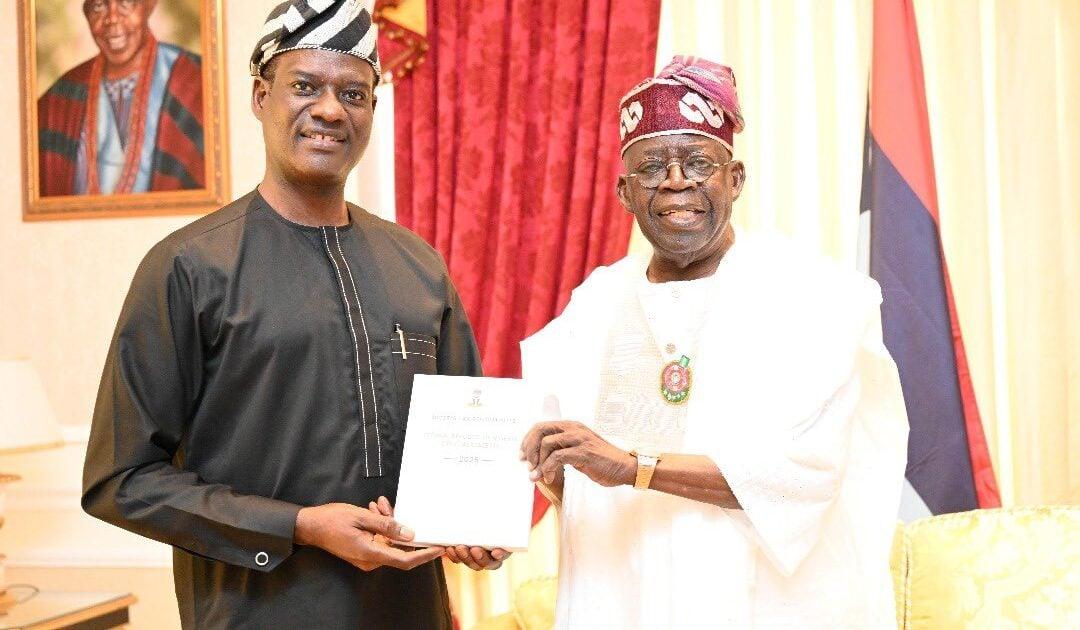
President Bola Tinubu has taken a concrete step in governing the nation's capital, formally presenting the Federal Capital Territory's (FCT) budget to the National Assembly while simultaneously seeking Senate confirmation for nominee Taiwo Oyedele.
The FCT Budget: Abuja's Blueprint
The submitted FCT budget is not merely an accounting document; it is the foundational blueprint for Nigeria's seat of government. This plan outlines proposed expenditures for critical areas including infrastructure development, security enhancements, and public services within Abuja. Its submission to the legislature marks the first major procedural hurdle. Without legislative approval, projects cannot be funded, and the city's administration operates under significant constraints.
The Oyedele Nomination: A Key Appointment
Alongside the budget, President Tinubu has put forward Taiwo Oyedele for a role requiring Senate confirmation. While the specific position was not detailed in the initial submission, the confirmation requirement signals a significant appointment, likely to head a key agency or commission related to the FCT or federal finance. The confirmation process serves as a critical check within Nigeria's governance system, ensuring appointees are thoroughly vetted.
The Senate's Next Steps
The Senate now shoulders the responsibility of scrutinizing both submissions. This involves a dual-track process:
- Budget Scrutiny: Legislators will examine the FCT budget line-by-line, potentially holding hearings with FCT officials to debate spending priorities and allocations.
- Nominee Vetting: Taiwo Oyedele will face a confirmation process, typically involving a public hearing where he must answer questions regarding his qualifications, experience, and plans for the office.
Why This Process Matters
This dual submission represents standard yet crucial governance procedure. It demonstrates the executive branch moving its agenda through established democratic channels. For residents of Abuja, this process has direct, tangible impacts—the budget determines everything from road repairs to public transportation, and confirmed appointees shape policy implementation. The ball is now in the Senate's court to approve, amend, or reject these submissions, embodying the system of checks and balances.