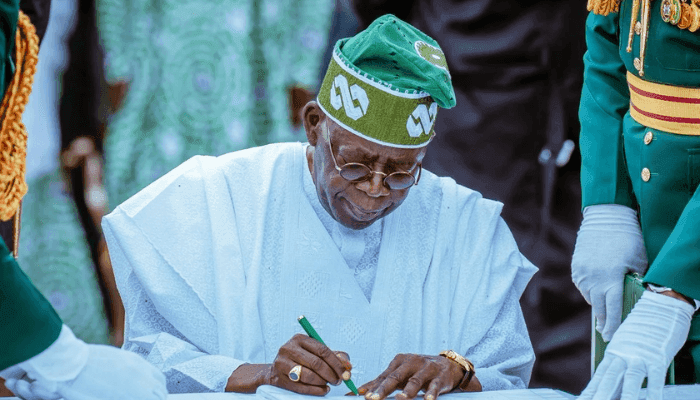
President Bola Tinubu has taken two consequential steps in the administration of Nigeria's capital, Abuja. He has formally presented the budget for the Federal Capital Territory (FCT) to the Senate for its approval. Concurrently, he has requested the upper legislative chamber to confirm the appointments of several nominees to key FCT positions, including an individual identified as Abe.
A Unique Administrative Process
The FCT, encompassing Abuja, operates under a distinct administrative framework separate from Nigeria's 36 states. Consequently, its annual budget and critical appointments require direct oversight from both the presidency and the National Assembly. This process is designed to ensure the capital's development and day-to-day governance align with broader national priorities.
Why These Submissions Matter
Tinubu's actions, while standard procedure, are vital for the functioning of the federal seat of power. The FCT budget typically funds essential areas such as infrastructure maintenance and expansion, public utilities, security, and administrative costs. Without its timely confirmation, numerous public services and development projects within the territory could experience significant delays.
The nomination of officials like Abe is equally crucial. These individuals would be tasked with high-level oversight of FCT departments and agencies, responsible for executing the approved budget and managing the city's growth. Effective leadership is paramount for a capital that hosts all branches of the federal government and numerous diplomatic missions.
The Senate's Role and Next Steps
The responsibility now shifts to the Senate. Legislators are expected to scrutinize the budget's detailed allocations and conduct confirmation hearings for the nominated officials. During these hearings, senators will question nominees on their qualifications, experience, and plans for the FCT.
This legislative review serves as a critical check on executive power and a mechanism for ensuring transparency. The outcomes of these processes—the approved budget and confirmed appointees—will directly shape the management and developmental trajectory of Abuja in the near term. The coming weeks will see these deliberations become a focal point of legislative activity.


