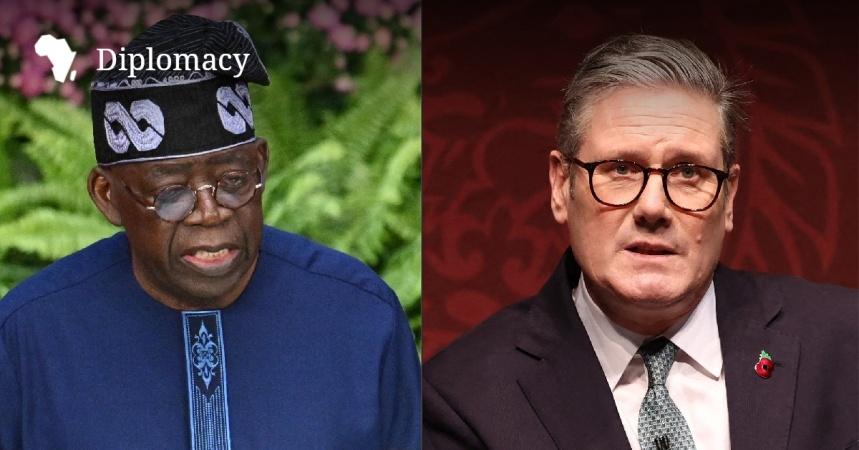
President Bola Tinubu has issued a direct charge to the nation in the wake of a terrorist attack in Borno State, urging Nigerians not to succumb to fear. The statement, released on March 6, 2026, constitutes the federal government's primary public response to the latest violence in the restive northeast. It frames the national challenge not solely as a military one, but as a psychological battle for public confidence.
Tinubu's call for resilience comes against a backdrop of persistent security operations in the Lake Chad basin region, where groups like Boko Haram and the Islamic State West Africa Province (ISWAP) remain active. The President's message deliberately avoids detailing the specific scale or location of the attack, focusing instead on the required national posture. This approach suggests a calculated effort to manage public perception and prevent the spread of alarm that could undermine economic and social stability.
Security analysts interpret the presidential statement as a standard but critical component of counter-insurgency strategy, where maintaining civilian morale is as important as battlefield gains. By publicly addressing the nation, Tinubu aims to prevent the attack from achieving one of terrorism's core objectives: sowing widespread panic and distrust in government institutions. The directive also implicitly serves to rally support behind the armed forces engaged in the region.
The Borno attack, while unspecified in the presidential communique, represents another violent episode in a conflict that has spanned over a decade, displacing millions and claiming thousands of lives. Tinubu's appeal acknowledges the cumulative psychological toll such repeated violence inflicts on communities, particularly those in the immediate vicinity of the conflict zone. His words are targeted at a national audience, recognizing that fear in one region can ripple outward, affecting investment and social cohesion across the country.
Historically, presidential responses to such incidents have varied, with some administrations offering immediate tactical details and others, like this one, prioritizing a broader message of steadfastness. Tinubu's choice reflects a governance style that centralizes the narrative around collective endurance. It also places the responsibility for resilience on every citizen, framing national security as a shared burden beyond the sole purview of the military and police.
The absence of specific claims regarding casualty figures or the precise nature of the assault in the verified information leaves significant questions unanswered for affected communities and the watching international community. This gap between the high-level call for courage and the on-ground realities for residents in Borno highlights the complex communication challenges faced by the administration. The next operational update from the Defence Headquarters or the Theatre Command will be scrutinized for details the presidential statement omitted.
For the national security apparatus, the President's statement functions as both a morale booster for troops and a clear directive to civilian agencies to reinforce public assurance measures. It signals that the government's strategic communications will actively contest any narrative of despair or inevitability following terrorist actions. The success of this approach will be measured by the public's continued engagement in daily life and economic activity despite the persistent threat.
The immediate forward-looking fact is the anticipated detailed briefing from military authorities, which will provide the operational context for Tinubu's broader appeal. Security forces are expected to continue clearance operations in the area, while the National Emergency Management Agency (NEMA) and the Borno State Government will likely assess humanitarian needs. The President's charge sets the tone, but the tangible response on the ground in the coming days will define its true impact.