At the bustling Ojota market, conversations have shifted beyond the price of tomatoes. Mama Chidi, a familiar face to her customers, recently shared news that's rippling through her community: a small investment she made last year has grown by over a third.
"My sister's son showed me the paper," she said, fanning herself with the statement. "Thirty-five percent! I thought it was a mistake."
For Nigerians navigating a high-cost environment, where preserving the value of savings is a constant challenge, this kind of news travels fast—from banking halls to bus stops. It represents a rare and powerful glimmer of hope.
Performance That Translates to Real Growth
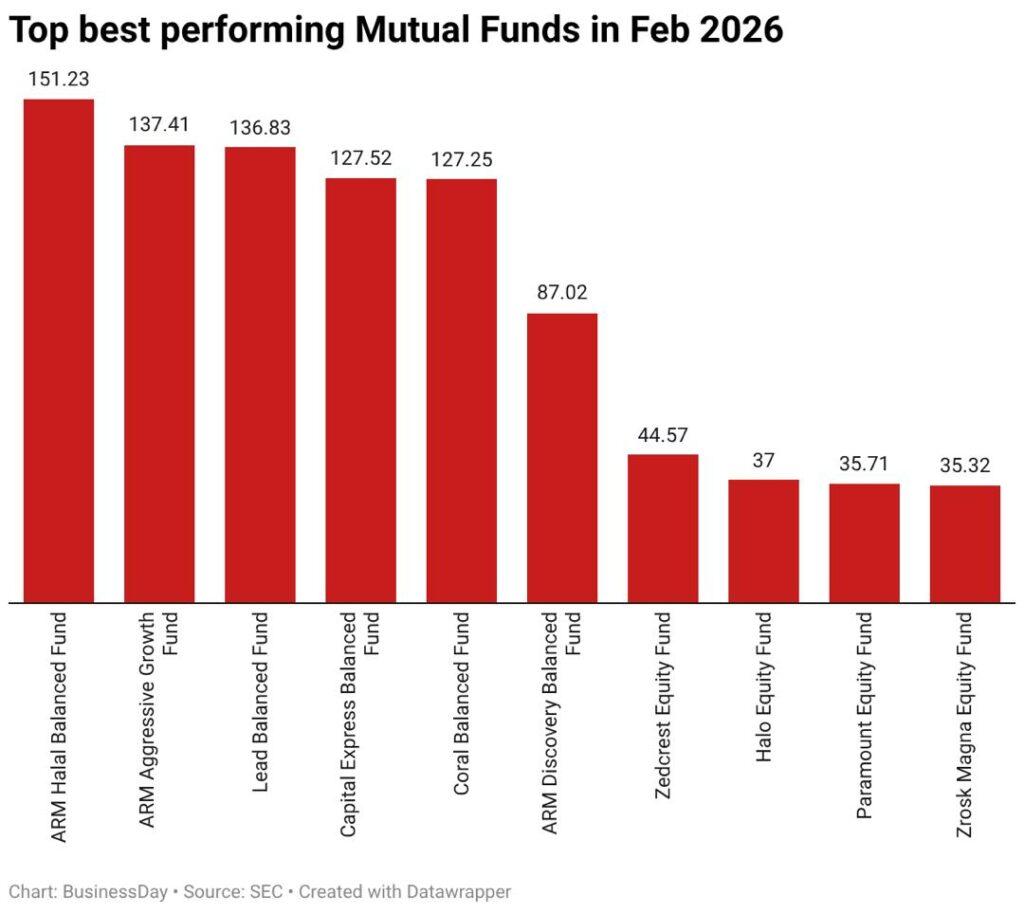
This story is not an isolated case. Data shows the top ten best-performing mutual funds in Nigeria have delivered returns of at least 35% to investors over the past year. In practical terms, this means an investment of ₦100,000 could be worth approximately ₦135,000 today.
For families diligently setting aside money for school fees, a future business venture, or a major purchase, this level of growth can fundamentally alter their financial timeline and possibilities. It prompts a critical question: are there more effective, safer vehicles for growing money than traditional savings accounts or keeping cash at home?
Building Trust Amidst Curiosity
The impressive numbers have sparked a wave of inquiries. Nigerians are approaching their bank agents and workplace unions, asking with a mix of hope and caution, "Is it true? Can my small contribution achieve that kind of return?"
This caution is understandable, rooted in memories of past financial promises that failed to materialize. The current success, therefore, is building trust person by person. The credibility comes from verifiable performance statements, not just promises.
A Signal of a Working Economy
This mutual fund success story signals that productive segments of the Nigerian economy are functioning and creating value, even if it's not always felt at the fuel pump or the food stall. Fund managers achieved these returns by strategically allocating capital—likely into thriving companies, viable government projects, or other assets that have appreciated significantly.
It serves as a potent lesson for regular Nigerians who often feel excluded from formal wealth-building opportunities. It demonstrates that with the right vehicle and management, participation in economic growth is possible.
A Hopeful Data Point in a Complex Landscape
Of course, this positive financial news exists alongside the well-documented challenges of daily life. It does not erase economic pressures but offers a concrete, data-driven counter-narrative. For savvy savers and new investors alike, it highlights the importance of researching regulated investment options and understanding how mutual funds can serve as a tool for beating inflation and building long-term wealth.
The conversation started by Mama Chidi at her market stall is one worth continuing in homes and offices across the country.