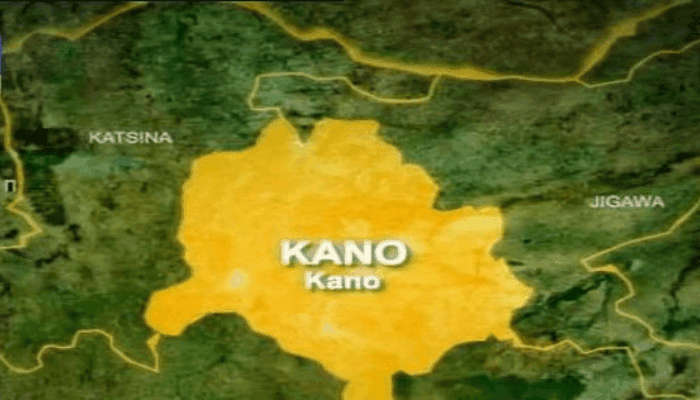
A routine walk turned into a nightmare in Kano, Nigeria, this week, culminating in a tragedy that has shaken the community and ignited urgent conversations about urban safety. Two teenagers lost their lives after drowning in a local river while attempting to flee from individuals accused of trying to steal their phones.
The Fatal Choice
Initial reports indicate the boys were confronted by the suspected snatchers. Faced with an immediate threat, they made a split-second decision: enter the water. This desperate act speaks volumes about the intensity of their panic. In that moment, the perceived danger of the river was lesser than the threat pursuing them on land.
A Community's Grief and a Broader Problem
The loss has left families and the wider community grappling with an immeasurable, senseless tragedy. The incident transcends a simple crime report; it's a stark illustration of how petty crime can escalate into fatal disaster, exposing a brutal layer of injustice.
This event does not exist in a vacuum. Kano, like many major Nigerian urban centers, has long contended with concerns over street crime. Phone snatching, often dismissed as a 'low-grade' offense, is a pervasive threat that is disruptive, violating, and can turn violent without warning.
The Changed Calculus of Risk
The Kano drowning pushes existing anxieties into a new, darker territory. It demonstrates concretely how the instinct to avoid victimization can itself lead to catastrophe. For residents, especially youth, the internal manual for urban survival has been tragically rewritten. The everyday questions—Do I run? Do I resist? Do I comply?—now carry the weight of this awful precedent.
The Path Forward
The incident serves as a grim catalyst. It forces a critical examination of law enforcement presence, response efficacy, and community safety infrastructure. Beyond policing, it highlights the profound psychological burden of navigating urban spaces under a cloud of fear. Addressing street crime requires not only catching perpetrators but also restoring a fundamental sense of security, so no one feels a dangerous river is their best option.