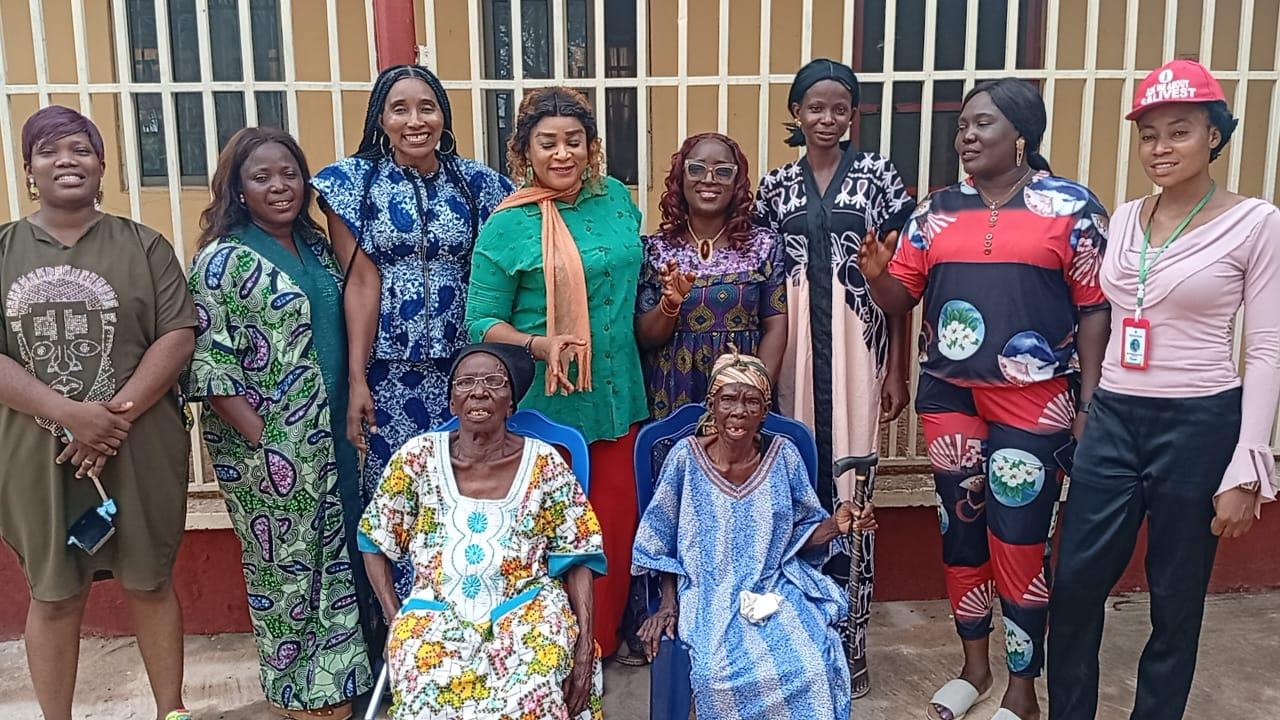
The news spread through Ngoshe, Borno, not with sirens or panic, but with what residents described as a "quiet relief." For a community accustomed to reading the ominous signs of conflict—distant gunfire, sudden troop movements—the events of yesterday offered a different narrative. Soldiers successfully intercepted and stopped a terrorist attack before it could reach the village's homes and market.
The Difference Between Panic and Peace
This intervention represents more than a tactical military success. For the families of Ngoshe, it marked the difference between a day of normalcy and one of potential tragedy. "It's a day we can breathe a little easier," shared one local, capturing the collective exhale. The troops' actions directly shielded the community, allowing farmers to tend fields and parents to consider sending children to school without the immediate shadow of violence.
'You Are Safe': A Message That Carries Weight
In the operation's aftermath, military officials engaged directly with the community. Their central message, delivered to elders and families alike, was simple yet profound: "You are safe." In an area where fear has been a constant companion, such assurances hold significant power. The physical presence of soldiers in the village, conversing with residents immediately after the engagement, lent a tangible credibility to the promise of protection.
Security Measured in Daily Life
Here, the metrics of security are deeply personal and practical. A foiled attack means the millet crop may be fully harvested. It means the small shop shuttered last year due to threats might tentatively reopen. It means children could enjoy an uninterrupted week of education. As one woman selling beans by the roadside noted, safety is the foundational step upon which all other aspects of life—livelihood, commerce, learning—are rebuilt.
Cautious Thanks and a Fragile Peace
The prevailing mood in Ngoshe is one of gratitude, tempered by caution. There are no grand celebrations; the scars of past attacks remain too fresh. However, a shared sentiment resonates: "They were there when it mattered," a community member stated, summarizing the appreciation for the soldiers' timely intervention. It underscores a critical lesson in conflict zones: that security perceived and felt at the community level is as crucial as victories on the battlefield. The peace remains fragile, but for now, it is peace nonetheless.