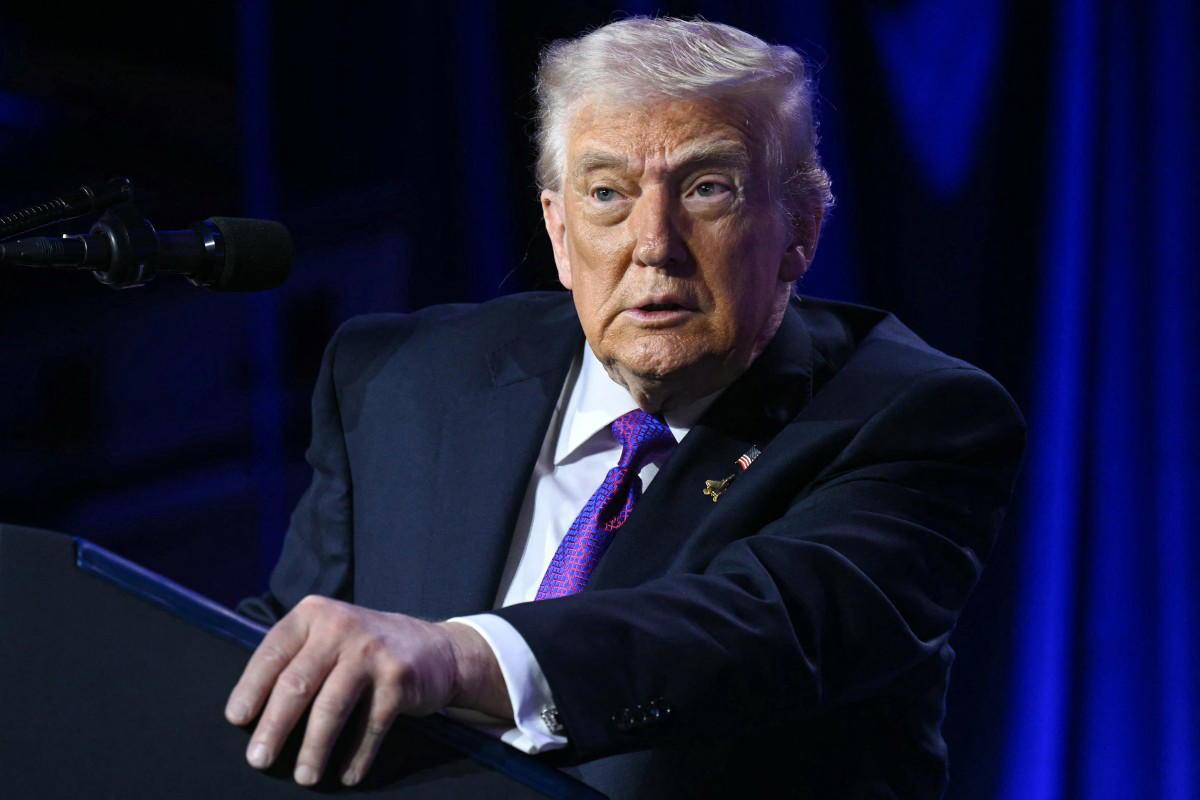
Former President Donald Trump has declared that the only acceptable resolution with Iran is its 'unconditional surrender,' explicitly ruling out any negotiated agreement. This statement represents a definitive rejection of diplomatic engagement with the Islamic Republic and signals a clear intent to return to the 'maximum pressure' strategy that defined his previous administration.
A Stark Departure from Current Policy
Trump's demand marks a direct challenge to the approach of the Biden administration, which has pursued indirect talks aimed at reviving the 2015 nuclear deal, known as the Joint Comprehensive Plan of Action (JCPOA). By framing the required outcome as 'surrender,' Trump advocates for a fundamentally confrontational path that leaves no room for compromise on core issues like nuclear enrichment, regional influence, or ballistic missile programs.
The Weight of 'Unconditional Surrender'
The terminology is significant. Historically, 'unconditional surrender' is associated with the total defeat of an adversary in war, most notably in World War II. Applying this language to Iran suggests Trump views the relationship not as a diplomatic dispute but as an existential conflict requiring total victory. This rhetorical shift hardens positions and eliminates potential off-ramps for de-escalation.
Roots in 'Maximum Pressure'
This position is a logical extension of Trump's 2018 decision to unilaterally withdraw the U.S. from the JCPOA and impose sweeping economic sanctions. His 'maximum pressure' campaign aimed to force Tehran into submission by crippling its economy. His latest statement indicates an even more aggressive posture would be on the table if he returns to power.
Iran's Certain Rejection and the Impasse Ahead
Iranian leadership has consistently stated it will not negotiate under duress or threat of surrender. Tehran's longstanding condition for talks is the prior lifting of all U.S. sanctions and guarantees against future abandonment of agreements. Therefore, Trump's stated condition is a direct non-starter for Iran, guaranteeing a prolonged state of hostility and effectively closing the diplomatic track for the foreseeable future.
The declaration also immediately injects a potent foreign policy contrast into the 2024 U.S. presidential race, presenting voters with a clear choice between two radically different visions for managing one of America's most complex international relationships.