In a stunning declaration that challenges international norms, US President Donald Trump has stated he must be involved in selecting Iran's next supreme leader. Drawing a direct parallel to US involvement in Venezuela, Trump's comments, made in an interview with Axios, frame intervention in foreign leadership succession as an ongoing tool of American policy. This raises profound questions about sovereignty and the limits of international power.
The demand arrives amidst severe military escalation. Less than a week ago, the United States and Israel launched a sweeping campaign against Iran, targeting missile facilities, naval assets, and critical infrastructure. The conflict has turned deadly, with six US servicemembers confirmed killed in retaliatory strikes by Iranian forces. These operations mark a dangerous new phase in Middle Eastern hostilities with global ramifications.
Reporting on the status of Iran's leadership remains contradictory. While Trump's statement implies a future need to pick a successor, other verified reports confirm that the strikes have already killed senior Iranian leaders, including Supreme Leader Ayatollah Ali Khamenei. This discrepancy underscores the chaotic, fast-evolving nature of a conflict where political rhetoric and battlefield realities are dangerously out of sync.
Adding to the complexity, the US House of Representatives is poised to vote on a bipartisan resolution challenging Trump's unilateral military authority. Led by Republican Thomas Massie and Democrat Ro Khanna, the resolution would require congressional authorization before continuing operations against Tehran, highlighting deep domestic divisions over presidential war powers.
The Nigerian Angle: Tinubu's Strategic Oil Move
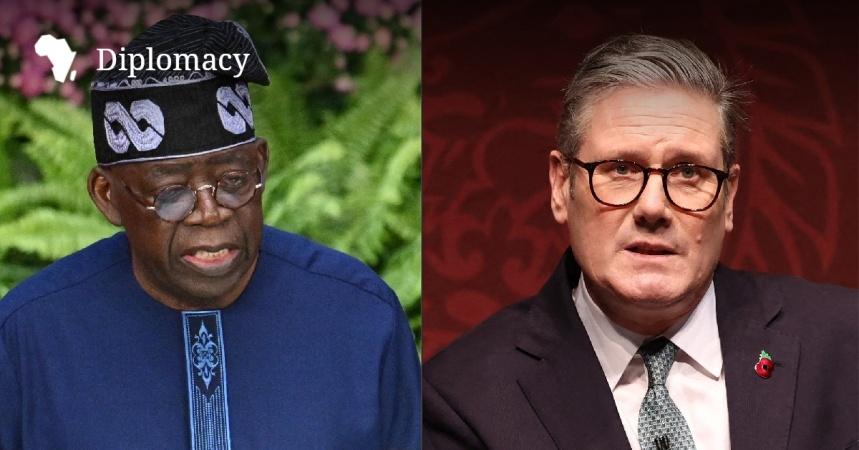
While international focus is on the Middle East, Nigeria has moved decisively on the energy front. President Bola Tinubu has successfully sealed a major oil deal, resolving a longstanding dispute that had hampered the sector. Details are still emerging, but the resolution is a significant step towards stabilizing and potentially increasing Nigeria's oil output. This development is crucial as conflict in the Middle East traditionally triggers volatility in global oil markets, directly impacting Nigeria's economy. Tinubu's deal may provide a buffer, securing revenue and asserting Nigeria's role as a key energy player during global uncertainty.
Analysis: What This Means for Nigeria
For Nigerians, these parallel stories are deeply interconnected. The war in the Middle East threatens to disrupt global energy supplies, influencing the price of crude oil—the lifeblood of Nigeria's economy. Price spikes or crashes can affect the national budget, the Naira's value, and ultimately, the cost of living. Tinubu's timely resolution of the oil dispute is therefore a strategic economic maneuver, aiming to insulate Nigeria from external shocks and capitalize on potential market shifts. The situation demands close monitoring, as the fallout from US-Iran hostilities will inevitably ripple through Nigeria's fiscal and economic planning.