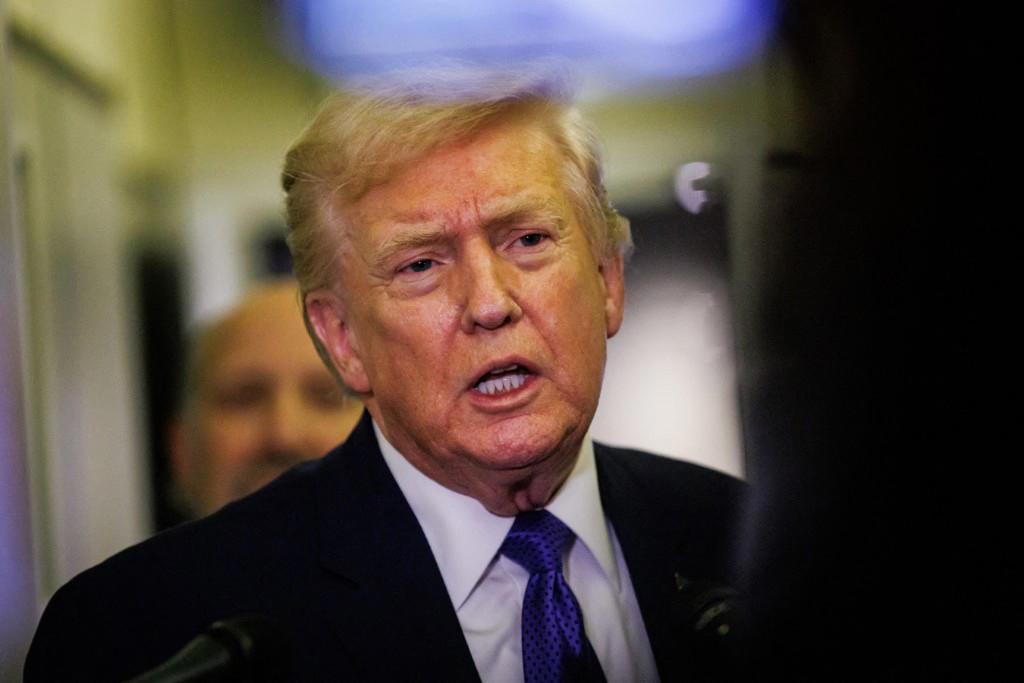
The already volatile US-Israel war with Iran has encountered a potential new variable: the explicit endorsement of Kurdish military action by former US President Donald Trump.
In a significant statement to Reuters, Trump voiced support for a potential offensive by Iranian Kurdish fighters into Iran, stating, "I think it's wonderful that they want to do that, I'd be all for it." This declaration injects a major political voice into a conflict that escalated dramatically last weekend with joint US-Israeli military operations against the Islamic Republic.
The Context: Iran's Kurdish Frontier
Iran has responded to the broader war by conducting strikes against Iranian Kurdish groups based in Iraq's autonomous Kurdistan Region. Tehran consistently labels these groups as proxies for Western and Israeli interests. However, these factions are also engaged in a decades-long struggle for greater autonomy within Iran itself.
Trump's endorsement, therefore, sits at a dangerous intersection. It potentially reframes an internal ethnic and political struggle as an auxiliary front in an international war. The strategic intent behind Trump's words, however, remains opaque.
The Critical Unanswered Question
When pressed by Reuters on whether the United States would provide tangible military support—such as air cover—for such a Kurdish offensive, Trump declined to comment. This omission is crucial. It creates a gap between rhetorical encouragement and a committed military alliance, leaving observers to question whether this represents a concrete policy shift or political posturing.
Analysis: Implications for the Conflict
This development introduces profound uncertainty. Elevating Kurdish groups to a more prominent role could further destabilize the region, drawing Iraqi Kurdistan deeper into the conflict and provoking more aggressive Iranian retaliation. For Nigerian observers and the global community, it underscores how quickly regional conflicts can expand and draw in multiple actors with divergent agendas. The coming days will reveal whether Trump's words translate into action, or if they remain a provocative but isolated statement in a rapidly evolving war.