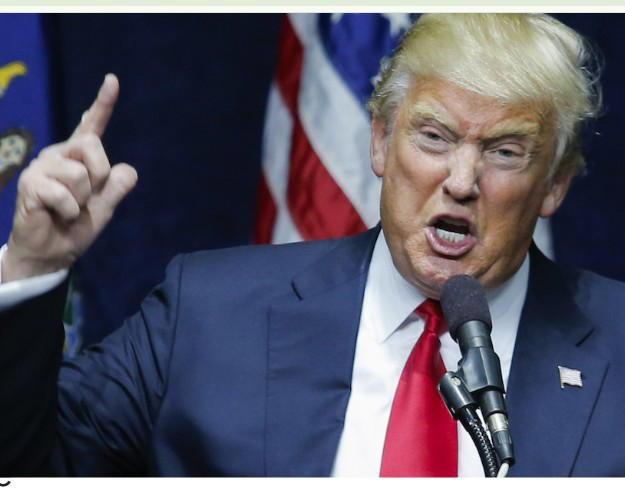
Former President Donald Trump has stated he will waive certain sanctions on Iran's oil exports, a move directly tied to ongoing regional conflict that is roiling global energy markets. This pledge represents a potential major shift in the U.S. approach to Iran, a nation under strict American economic pressure for years.
Understanding Oil Sanctions
Sanctions are economic penalties imposed to force behavioral change. For years, U.S. sanctions have aimed to curb Iran's nuclear program and support for militant groups by severely restricting its ability to sell oil—the government's primary revenue source.
The Catalyst: Regional War
The context is a war involving Iran. While specifics vary, any conflict in the Persian Gulf—a crucial shipping lane—threatens global oil supply. This disruption causes the sharp, unpredictable price swings currently seen in markets. Iran itself is a major producer, and conflict directly impacts its output and regional transport.
What a 'Waiver' Means
A waiver is a specific sanctions tool. It permits transactions with a sanctioned entity without penalties, usually temporarily or under conditions. Trump's proposal suggests allowing more Iranian oil to reach the market. The goal is clear: increase global supply to counteract war-driven shortages and price spikes.
The Market Analogy
Imagine a war blocks a major oil pipeline. One stabilization method is to open a different, previously closed pipeline. Here, the closed pipeline is Iran's oil exports. A waiver would reopen it, adding supply to balance the market.
Implications and Next Steps
This announcement, if acted upon, would mark a significant foreign policy reversal. Key questions remain: Which specific sanctions would be waived? Under what conditions? How would this affect diplomatic relations? Market analysts are now scrutinizing the statement, as even the prospect of new Iranian supply can influence oil futures trading. The move underscores how regional conflict directly forces recalibration of international economic policy.