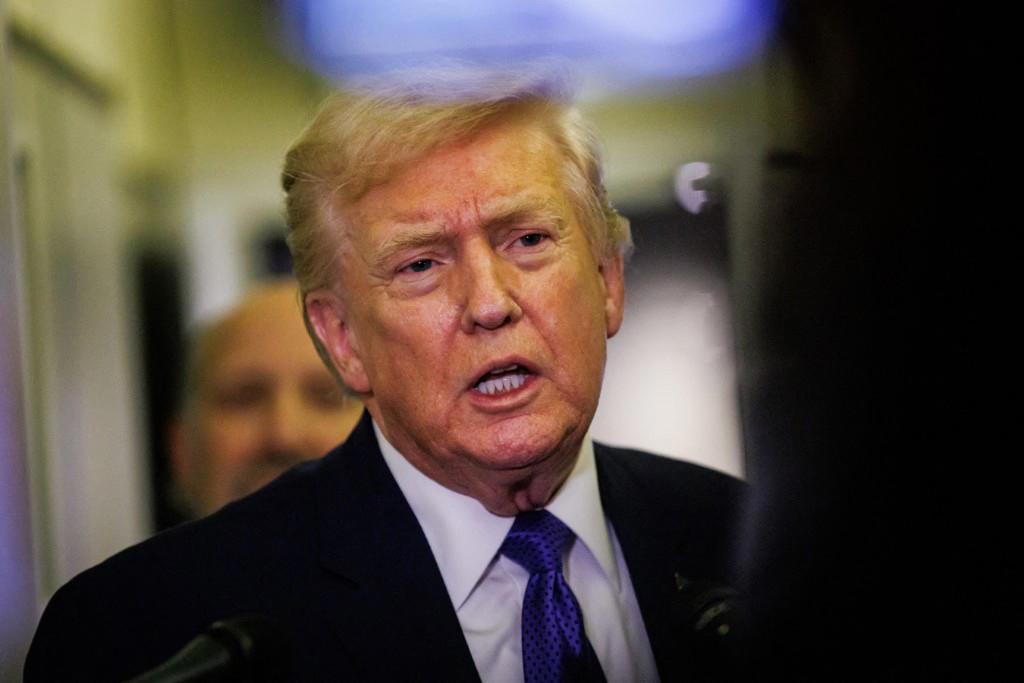
Former President Donald Trump has publicly and definitively ruled out launching a U.S. ground invasion of Iran, labeling such an operation a "waste of time." The statement provides one of the clearest windows yet into his current strategic thinking regarding one of America's most significant geopolitical adversaries. The declaration comes as Trump campaigns for a return to the White House in the 2026 election, making his foreign policy positions a central focus for voters and international observers alike.
A Shift in Rhetoric on Iran
Trump's characterization of a ground invasion as futile represents a notable shift in his public rhetoric. Throughout his previous term and subsequent political commentary, he has maintained a consistently hardline posture toward the Islamic Republic, often emphasizing "maximum pressure" through sanctions and other non-military means. By explicitly rejecting a major conventional military escalation, he is drawing a bright red line on the type of force he would be willing to employ. This move potentially distinguishes his approach from more hawkish advisors or political rivals who have advocated for broader military options.
Implications for the 2026 Campaign and Beyond
The statement carries immediate weight given Trump's status as the presumptive Republican nominee. Voters and foreign capitals are closely parsing his comments for clues about how a potential second Trump administration would handle ongoing tensions in the Middle East. His dismissal of a ground war suggests a continued preference for economic and diplomatic pressure, possibly combined with targeted strikes or cyber operations, over committing large numbers of American troops to another protracted conflict in the region.
Contrasting with Current and Past Administrations
This position also invites direct comparison to the strategies of other recent U.S. administrations. President Joe Biden has pursued a mix of diplomacy and deterrence, seeking to manage tensions while responding to Iranian proxy attacks. Trump's latest comment reinforces his long-standing critique of what he views as failed multilateral agreements, like the nuclear deal he abandoned in 2018, instead emphasizing unilateral economic leverage. As the 2026 election cycle heats up, this clarified stance on Iran will likely become a key point of debate on America's role in the Middle East.


