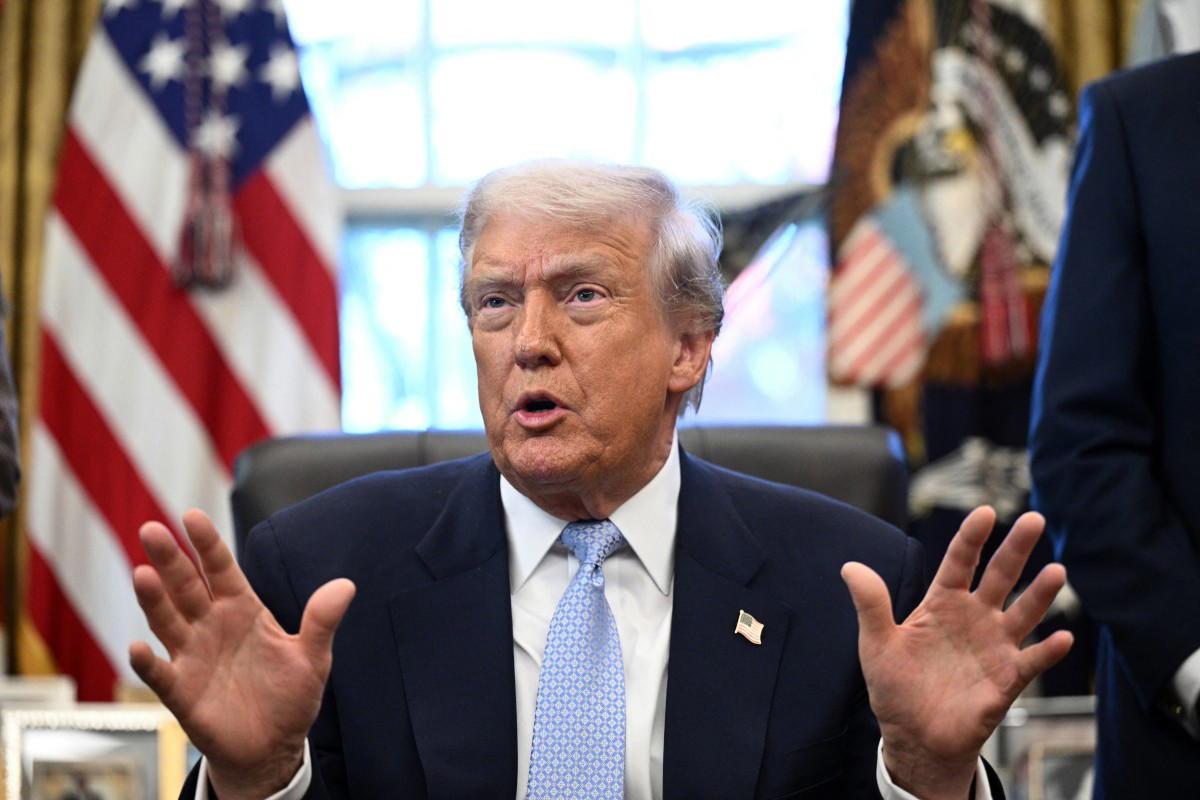
The road to the 2026 FIFA World Cup, set to be hosted across the United States, Canada, and Mexico, has taken an early political detour. Former United States President Donald Trump has publicly stated his indifference toward whether Iran's national football team participates in the global event, injecting geopolitical tension into the sporting spectacle.
In a recent interview with Politico, Trump was asked about Iran's potential involvement. His response was blunt: "I really don't care." He further elaborated, framing Iran as "a very badly defeated country" that is "running on fumes." These comments from a former U.S. leader introduce a contentious narrative into preparations for a tournament designed to transcend borders.
The context makes these remarks particularly significant. Iran's national team, known as Team Melli, was the first side to officially qualify for the 2026 World Cup, highlighting their competitive prowess and the excitement of their fanbase. However, this sporting achievement is now clouded by political commentary and growing logistical questions.
Speculation intensified this week when Iran was notably absent from a crucial FIFA planning meeting for participating nations in Atlanta. This session was a key logistical step, addressing visa arrangements, security protocols, and operational plans for teams competing on American soil. Iran's non-attendance raises practical hurdles that extend beyond rhetoric.
For Nigerian and global football fans, this situation poses a critical question: can the beautiful game remain insulated from deep-seated political rivalries? The 2026 tournament, already historic for its three-nation hosting, risks having its inclusivity challenged before a single ball is kicked. The world will be watching to see if football diplomacy can prevail, or if geopolitical fissures will impact the field of play.