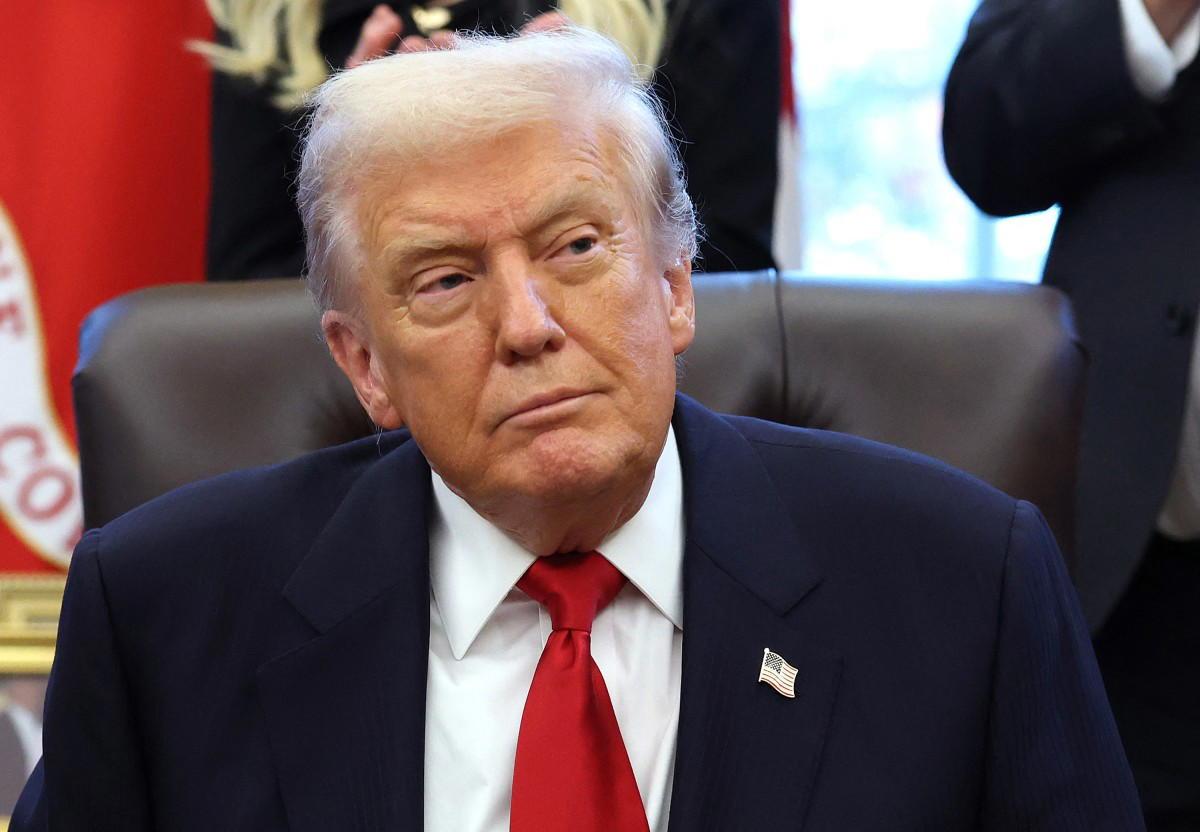
In a remarkable declaration that breaks from decades of diplomatic precedent, U.S. President Donald Trump has asserted a personal role in the succession process for Iran's next Supreme Leader. This development unfolds alongside a severe security crisis in West Africa and a major reshuffle within the U.S. Department of Homeland Security, painting a picture of a volatile global landscape.
An Unprecedented Intervention in Iran
President Trump's statement, "I must be personally involved in the process of selecting a new leader for Iran," positions the American executive as an external arbiter in Iran's internal affairs. He explicitly rejected one potential candidate, Mojtaba Khamenei—son of the late Ayatollah Ali Khamenei—calling him "unacceptable." Trump framed his desired involvement as a pursuit of "harmony and peace." This direct commentary is a significant escalation in the already tense U.S.-Iran relationship and suggests an intent to influence the clerical council's decision-making directly.
The succession environment in Iran is reported to be opaque and dangerous. Conflicting reports label Ayatollah Khamenei's death as either natural or an assassination. Furthermore, a building housing members of the clerical council was reportedly bombed during vote-counting, highlighting the internal volatility.
The West African Front: A Security Crisis on Nigeria's Doorstep
Separately, a stark reminder of regional insecurity emerged from the Republic of Benin. Al-Qaeda-linked jihadists attacked an army base in Kofouno, northern Benin, killing 15 soldiers. This attack underscores the persistent and spreading threat of terrorism in West Africa. For Nigeria, Benin's neighbour, such incidents reinforce concerns about the regional reach of extremist groups and the stability of the broader West African corridor.
The Domestic Shakeup: DHS in Flux
Amid these international and regional crises, President Trump is conducting a major reshuffle of the U.S. Department of Homeland Security (DHS). Leadership changes at the top of a key security agency during a period of global tension could signal shifts in U.S. domestic and border security priorities.
Analysis: Connecting the Threads for a Nigerian Audience
For Nigerian observers, these simultaneous events are not distant headlines. They represent interconnected strands of global politics with potential local impact:
- Economic Implications: U.S. policy toward Iran directly affects Middle Eastern stability and, consequently, global oil markets. Any conflict or sanction escalation can influence the price of crude oil, a cornerstone of Nigeria's economy.
- Security Implications: The terrorist attack in Benin is a proximate threat. It demonstrates the fragility of security in the region and the continued southward spread of violence from the Sahel, which demands vigilant regional cooperation.
- Diplomatic Implications: Trump's interventionist model, if pursued, could reshape norms of sovereignty and non-interference, principles important to many nations, including those in Africa.
The convergence of these three stories—a provocative diplomatic move, a regional terror attack, and a key cabinet reshuffle—marks a moment of significant global uncertainty, the ripple effects of which will be felt far beyond Washington and Tehran.