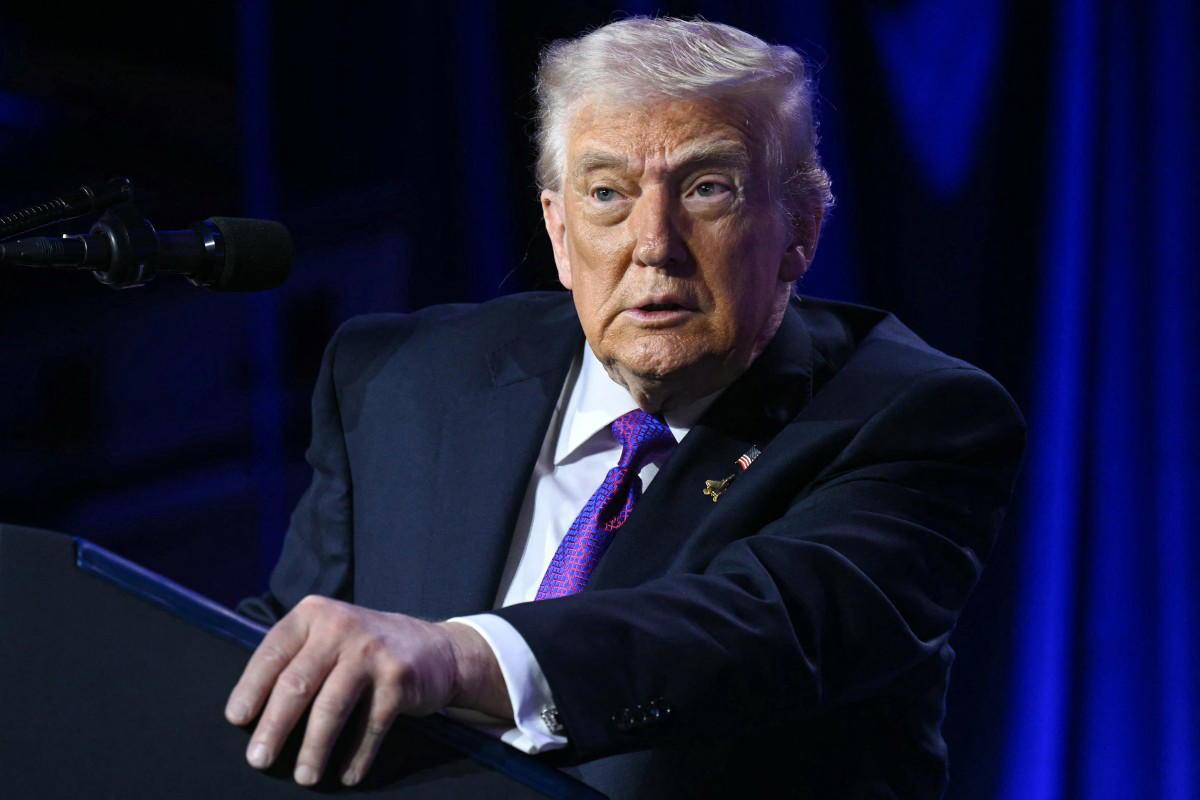
Former US President Donald Trump has made a significant foreign policy pledge, vowing to provide protection for commercial ships navigating the strategically vital Strait of Hormuz. This commitment, drawn from verified reporting, signals a potential shift in maritime security posture with ripple effects for the global energy market.
The Critical Chokepoint: Strait of Hormuz
The Strait of Hormuz is not just any waterway. It is one of the world's most crucial maritime chokepoints, acting as the primary passage for seaborne crude oil from the Persian Gulf to the world. A substantial percentage of globally traded oil transits this narrow corridor. Its security is synonymous with the stability of international energy supplies; any disruption triggers immediate price volatility and supply chain anxieties.
Decoding Trump's 'Protection' Promise
Trump's promise implies a potential commitment of US military or diplomatic capital to secure free navigation. This stance aligns with the principle of freedom of navigation but represents a more direct guarantor role. The aim is to deter threats—whether from regional state actors or non-state groups—that could harass or attack commercial vessels. Such a policy would likely involve increased naval presence and clear security assurances to shipping companies.
The Nigerian Angle: Indirect but Significant Impact
For Nigeria, a major oil-producing nation, stability in all global energy corridors is paramount. While Nigerian crude exports flow primarily through Atlantic routes, the country's economy remains acutely sensitive to the international benchmark prices set by global markets. Sustained volatility or a price shock originating from the Strait of Hormuz would directly affect the revenue Nigeria earns from its oil exports. Furthermore, a tense security environment can influence investment climates in the energy sector worldwide.
Broader Geopolitical Implications
This pledge is more than a maritime security issue; it's a geopolitical signal. By offering to be a security guarantor in the volatile Middle East, such a policy would reshape regional alliances, affect US military deployments, and could provoke reactions from other powers with interests in the region. It represents a clear intent to project power and control over a key artery of the global economy.
In conclusion, Trump's statement on the Strait of Hormuz is a development that warrants close attention from Nigerian policymakers and economic observers. The health of Nigeria's oil-dependent treasury is indirectly but inextricably linked to the security of distant chokepoints like Hormuz.