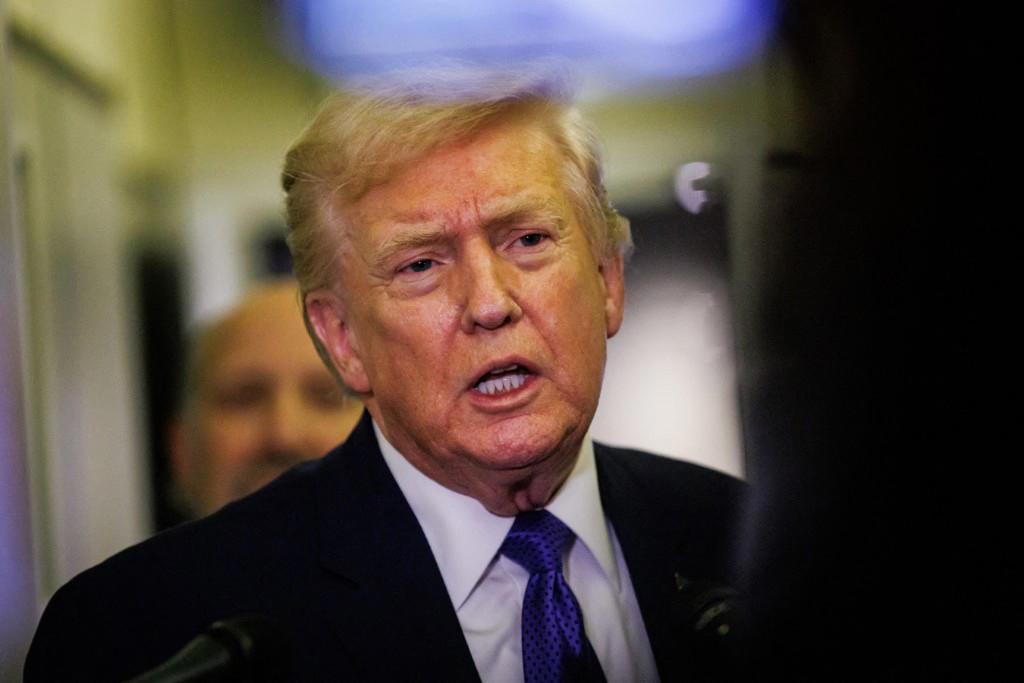
A recent declaration by former United States President Donald Trump has sent ripples through diplomatic and political circles worldwide. Trump insists the decision to conduct a pivotal military strike against Iran was made solely by him, without the traditional web of consultations with military advisors or national security officials.
The Anatomy of a Unilateral Claim
This portrayal of autonomous, presidential decision-making starkly contrasts with established protocols for authorizing the use of force. Typically, such grave actions emerge from the famed 'Situation Room,' involving intelligence briefings, legal counsel, and strategic recommendations from a cadre of experts. Trump's narrative challenges this convention, presenting a model of command authority that is intensely personal and centralized.
Global Repercussions and the Question of Precedent
For the international community, such statements are more than historical footnotes. They actively reshape the perception of American power. Allies and adversaries alike base their strategies on predictability and due process. An assertion of capricious, solo action can destabilize alliances and embolden rivals, forcing nations worldwide to recalibrate their diplomatic and security postures.
The Domestic Debate: War Powers Redefined
Within the United States, this claim fuels the perennial and profound debate over presidential war powers. It provides a potent case study for constitutional scholars and lawmakers contesting the boundaries of executive authority. The balance of power between the White House and Congress in matters of war and peace remains a cornerstone of American democracy, and Trump's statement throws this tension into sharp relief.
The Nigerian Perspective: Stability in an Interconnected World
From a Nigerian viewpoint, these developments are critically relevant. Nigeria's national interests—from economic stability tied to global oil markets to its own security partnerships—are deeply intertwined with the actions of major powers. A world where unilateral strikes become normalized rhetoric increases global volatility. It underscores the importance of Nigeria advocating for and upholding multilateral frameworks and rules-based international order in its foreign policy engagements. Understanding these power dynamics is essential for Nigerian policymakers and citizens as they navigate an increasingly complex global landscape.


